As the calendar flips to 2026, the
political cycle will once again be front and center in the minds of many voters, consumers, and brands. Fresh off record-breaking spending 2024, 2026 is already on track to be the most expensive
non-presidential election cycle in history. At this point, the red lights should be flashing for every marketer – and they should be developing concrete plans to help allay the effects of this
coming tsunami of spending.
For years, marketers treated political cycles as a necessary annoyance: something that may cause inventory crunches or cost increases in the
fall, but an unavoidable part of advertising. However, as election cycles have gotten longer and more expensive – simply wishing the problem away is no longer a sustainable strategy. Marketers
that do not appropriately prepare for this election cycle risk significant damage to efficiency and brand safety in 2026 and beyond.
advertisement
advertisement
The risks of the political cycle are
potent for marketers: yes, inventory will be more expensive and there will be less of it – thanks to nearly $11B in spending that has already started in certain markets. However, this spending
will also affect audiences in other ways that brands will have to grapple with. Voters are consumers and vice versa, so as political ads inundate certain markets and demos – the content of those
ads can also have a profound impact on consumer sentiment and purchasing habits.
During the 2022 midterms, due to concerns about inflation (which were amplified by $9B
in political spending), Republican consumers were more likely to cut back on discretionary spending than Democrats. In 2026, that trend is expected to be inverted – where Democratic-leaning
consumers will be more cost sensitive than Republicans.
With all of this in mind, there are a series of concrete steps that every marketer should be taking right now.
Every media plan should be audited for its exposure to the political cycle. Political spending is not evenly distributed over time or across geos – so the first step is to figure out how the
election cycle will overlap with media goals. At Assembly, we developed our industry-leading AMII tool to do just that: accurately project when and where political spending will be at its most
intense. AMII (short for Assembly’s Market Intensity Index) measures the levels of political saturation in local markets throughout the cycle and quantifies how escalating political ad spend
impacts commercial campaigns. Determining this exposure also involves evaluating the risk of specific media types. While linear TV still gets the majority of all political spend, CTV and social have
shown significant growth over the past few cycles.
Once this exposure is evaluated, marketers can determine how best to respond. Do they pulse resources during the
slower periods of the political cycle? Do they exclusively conduct media testing in markets that will not see significant spending? Do they adjust expectations for the 2026 Holiday Season given that
the leadup will be overrun by political?
The answers to these questions are vital to ensuring strong performance in the face of another record-breaking election cycle.
The days of marketers simply accepting this disruption are over – and every brand should focus on working with partners who truly understand the risks and opportunities of advertising around
elections. Political spending has grown by 1,000% over the past decade, and we have likely seen our last cycle to see less than $10B. Therefore, if successful, lessons learned for how to insulate
brands against the 2026 midterms will be beneficial in 2028, 2030, and beyond.
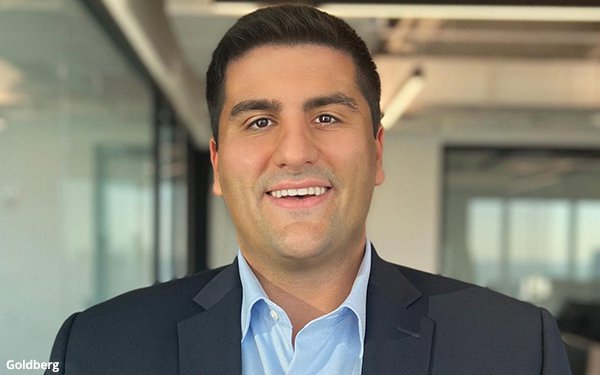
Tyler Goldberg is the Director of Political Strategy at Assembly Global where he also leads
the agency’s Advocacy Consulting Technology practice.
If you’re interested in submitting content for future editions, please reach out to our Managing
Editor, Barbie Romero at Barbie@MediaPost.com.