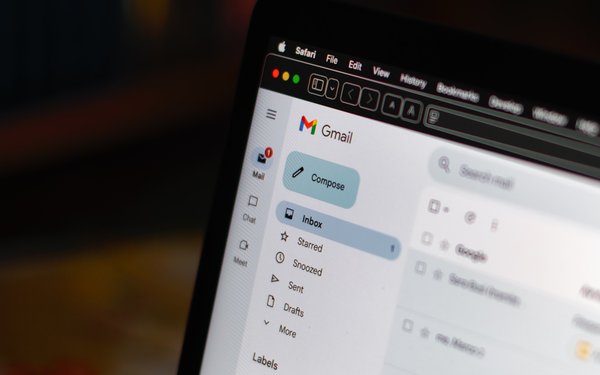
Gmail made two pronouncements this week to show how
it is protecting privacy.
For one, it said it is extending its end-to-end encryption (E2EE) to Android and iOS devices for Gmail client-side encryption
users.
This seems more like an enterprise benefit than an email marketing one. It allows your users to “confidentially engage with your organization’s most
sensitive data from anywhere on their mobile devices while ensuring data remains compliant and with your organizations sovereignty and compliance requirements,” Gmail says.
Gmail
adds that there is no need to “download extra apps or use mail portals. Users with a Gmail E2EE license can send an encrypted message to any recipient, regardless of what email address the
recipient has.”
advertisement
advertisement
For instance, Gmail recipients who use the Gmail app will receive the encrypted message as a “typical email thread to their inbox.”
Guest recipients who do not have the Gmail app can “read and reply in their own native browser.”
Of course, encryption may also be required by some government entities,
including the EU.
How to get started? Gmail explains it:
- Admins “will need to enable the Android and iOS clients in the CSE admin
interface in order for users to have access. This can be done in the Admin Console."
- End users can click the lock icon and select additional
encryption, compose their message and add attachments as normal.
Gmail also posted a blog explaining that it "does not train its foundational AI
models, including Gemini, on your personal emails. Any access you grant Gemini in Gmail is for isolated tasks -- like summarizing a lengthy email -- and that's it. What's in your inbox stays private,
even if you use Gemini to help you.
It's nice to know. But remember, parent Google knows a great deal about consumers, from their Gmail to their YouTube usage. Indeed, it
was ordered to pay $425 million in a class action lawsuit in February .It is appealing this verdict. Whatever protections it has, it should still be watched.