You’d be hard pressed to find a QSR without some
sort of loyalty program, with many brands relaunching updated programs this year. Yet just because you build a loyalty program, doesn’t necessarily mean the customers will actually be
“loyal,” according to the latest report from AnswerLab.
The March 2026 Consumer Loyalty Study revealed that being a member of a loyalty program doesn’t necessarily
translate into any sort of “emotional commitment.” Of the 1,500 U.S. consumers surveyed, only 24% reported feeling loyal to almost all or all of the loyalty programs to which they
belong.
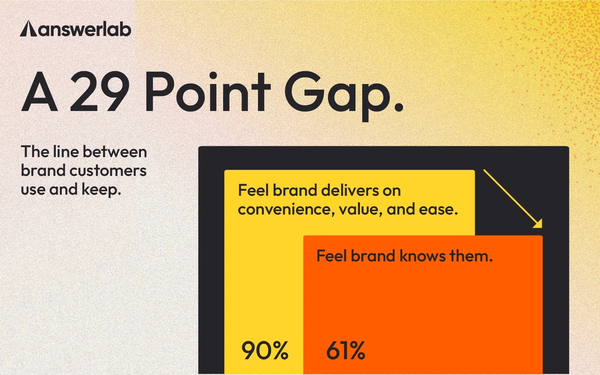
The highlight of the study is what AnswerLab has coined as a “Recognition Gap,” which is defined as “the difference between customers who believe a brand delivers
convenience and value (90%) and those who feel genuinely known or recognized by that brand (61%).”
advertisement
advertisement
GenZ was found to have the “strongest desire” for emotional
recognition from brands, yet also reported the lowest expectations “that brands would actually provide personalized, meaningful experiences."
Customer experience also greatly
affects loyalty. The survey found that only 21% of respondents reported “seamless experiences” across channels (online, delivery, in-store) every time they order. And no matter the loyalty
program, nearly half (49%) of respondents say they “reduce or stop engagement when forced to repeat information or restart interactions.”
Other factors that may actually contribute
to “continued engagement” according to the report include habit, convenience, lack of alternatives, switching friction and existing reward balances.
And lastly, while brands often
assume customers want more personalized experiences, 61% “worry about how brands use their personal data.” But more than one third (39%) said they would be “willing to share more
information in exchange for improved experiences.” The takeaway for brands according to the report is that “personalization strategies must balance relevance with transparency and
trust.”
The March 2026 Consumer Loyalty Study also included 50 AI-moderated qualitative interviews with active loyalty program members.