Condé Nast has weathered the
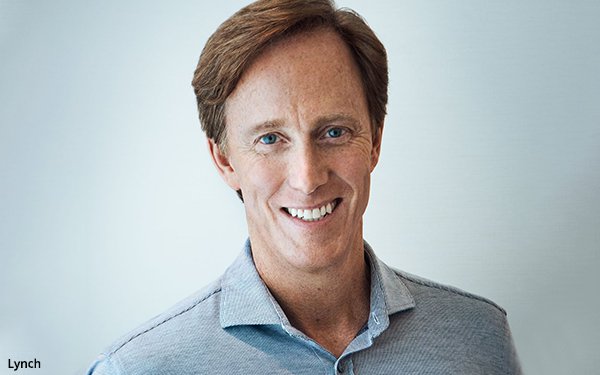
“climate of real uncertainty” that it faced last year due to tariff volatility, recession fears and upheaval in the luxury sector, CEO Roger Lynch said on Friday in his annual memo.
Carefully managing costs, Condé Nast closed 2025 with “revenue growth and a fourth year of profit growth since 2020,” Lynch said. He didn’t provide dollar
amounts.
The company expects to concentrate its resources in places where it has clear competitive advantages and is primed for long-term
growth.
“For example, the seven largest brands in the portfolio drive 85% of our revenue and benefit most from our global reach and the ways we are uniquely
set up to best monetize content – areas like luxury and fashion advertising, subscriptions, branded content, commerce and events,” Lynch said.
advertisement
advertisement
Among
the brands, the most revenue growth was shown by Vogue, Condé Nast Traveler and The New Yorker.
Higher revenue was also driven
by subscriptions (+10%, with digital subs growing by 29%); “tentpole” events like Vogue World, GQ’s Men of the Year, The New Yorker Festival, the Met Gala, Allure Best of Beauty, the
Vanity Fair Oscar Party (+40%); commerce (+13%); and branded content (+9%).
But some challenges remain. One is managing artificial
intelligence.
Condé Nast has made deals with OpenAI, Perplexity, Microsoft and Amazon, and is engaging in other conversations. And it is running 70 AI
pilots in an attempt to integrate new tools into workfllows and products.
“Bon Appétit’s recipe AI tool offers an early example of how this
technology can serve readers directly,” Lynch continued.
But the company is also taking “a firm stance against those who scrape and repurpose our
journalism without permission,” he observed.
On another front, Lynch added, “Search will play a diminished role in our traffic and this is an
assumption we are building our strategy around.”
What’s the plan?
“At the center of our strategy is a conviction that
our journalism, our creativity, our brands, and the communities we foster are our enduring advantages,” Lynch explains. “That belief informs how we build products, such as the
new Wired app coming later this year, how we distribute our work, and how we cultivate direct relationships with audiences. The evidence is encouraging. In the U.S., a majority of our
audience now comes to us directly. Globally, our direct audience metrics are surpassing our targets."
Lynch noted that Pitchfork is now
profitable, and that Teen Vogue has been integrated into the Vogue ecosystem. Vogue Business has seen a 54% rise in subscriptions since it was integrated into
Vogue, with January being its highest month for new starts.
In addition, Lynch announced that Condé Nast is selling its
Them title to Equalpride, publisher of LGBTQ+ pubications such as The Advocate and Out.