The other day, I read a report from a
new study that reassures us that circumcision does not lead to autism.
To be honest, I didn’t even know that was a concern, but apparently two studies more than a decade ago said it
might be. And many have been worried about it ever since.
Now, I’m not naive enough to think that this new scientific study will be enough to allay these fears. Male circumcision will
continue to be one of the many things -- on a list that includes childhood vaccines, the use of acetaminophen during pregnancy, environmental toxins and WiFi radiation--- that some will say is
linked to the dramatic increase in diagnosed autism cases in recent years.
I’m not here to take sides on this debate. I will believe what I believe and you all will most likely do the
same. What I’m interested in is how autism itself and its prevalence became such a hot topic in the current debate on healthcare, because it is a perfect example of the interplay between our
current media ecosystem and how we chose to inform ourselves.
advertisement
advertisement
Here are some facts we can all probably agree on. The diagnosis of autism has skyrocketed in the past few decades. The U.S. Center
for Disease Control now estimates that 1 in 31 eight-years-olds are somewhere on the autistic spectrum. Twenty-five years ago, the rate of autism diagnosis was one in 150. If you look at the numbers
alone, that is almost a five-fold increase. It’s hard not to ask what might be causing this explosion in autism.
However, as Mark Twain noted, there are lies, damn lies -- and
statistics. If you look at these numbers, the natural assumption would be that something has caused the explosion of autism in the past 25 years. There must be something to blame. But most
professionals would agree that most of the increase, if not all of it, is simply due to the fact that we now recognize autism and diagnose it much more often than we used to.
In fact, saying
that something is causing autism to explode would be roughly analogous to saying something in the last century is causing left-handedness to explode. One hundred years ago, the incident rate of
left-handedness in the general population was less than 3%. Today, it’s about 11%. There are almost four times as many lefties today as there were in 1926.
But the simple reason behind
that statistic is this: Today, left-handed people are allowed to be left-handed. In schools 100 years ago, it was beaten out of them with a cane and by tying their hand behind their back and forcing
them to use their right hand. Left-handedness was thought to be an omen of evil. That’s why Latin-based languages use some variation of the word “sinister” to refer to anything to do
with the left.
But autism lives in a special place in the conspiracy-minded heart. It has all the prerequisites of something that triggers knee-jerk reactions: It is not well understood, and
its cause is not fully known. It is a condition that causes understandable worry on the part of a parent. And, based on the numbers alone, it appears likely that a system we should trust has let us
down.
This makes autism the perfect battleground for information versus misinformation. Science has tried to do its best to put the conspiratorial fears about the causes of autism to rest.
Study after study has come out saying that there is no link between vaccines, WiFi radiation or male circumcision and autism. There may be correlation, but no causation has been found.
Unfortunately, this information is delivered through the same screen as the TikTok video damning the MMR vaccine as irrefutably being the cause of the autism explosion in the past few decades.
There’s no qualification, no vetting of source material, no threshold of reliability to cross over before the message is streamed to us.
The 10-year observational study done with
impeccable methodology is summarily dismissed based on a 30-second video done in the kitchen by a 32-year-old influencer with zero medical training who happens to have 450,000 Instagram followers.
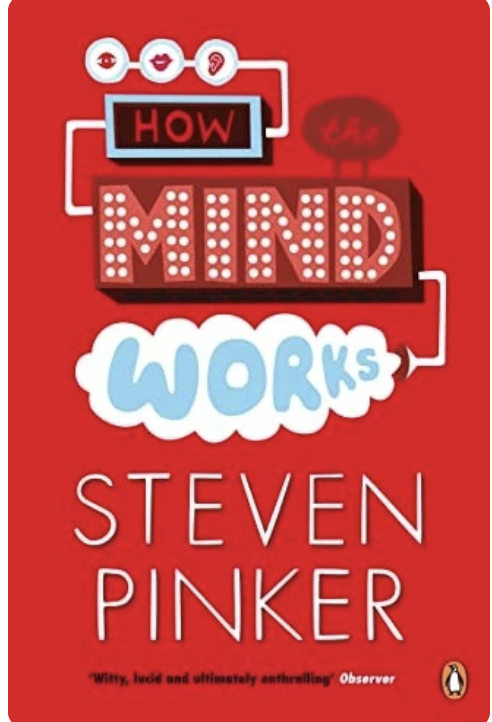
In fact, in terms of audience reach, there is no comparison. The most popular cognitive scientist I know is C from Harvard, a man with a 46-year academic career who has written 17 books, most of
them on how brains operate. In fact, one is literally called “How the Mind Works.” He has repeatedly debunked the link between autism and vaccinations, saying that “vaccines are one
of the best things our sorry species has ever accomplished. But the link to autism is The Lie That Never Dies.”
His Instagram follower count? A paltry 44,000.
It was never
a fair fight.