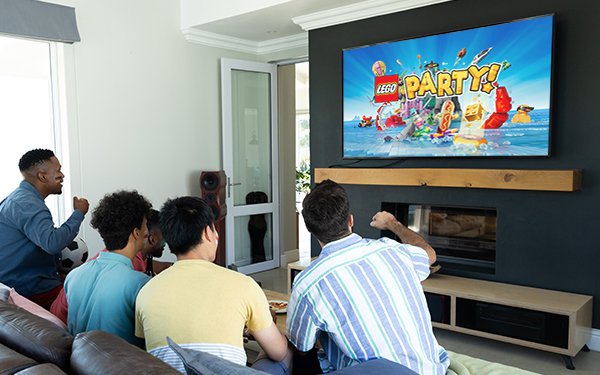
In this fractionalized streaming TV market, perhaps
we might forget about the value of co-viewing. But Netflix isn't.
The premium streaming platform is shifting its gaming strategy into this area with a family game night.
The effort is
intended not only to bring more viewers to engage with content but also for longer periods of time -- especially on what traditionally have been lower viewing days/nights for some -- Fridays and
Saturdays, for example.
This isn’t to say that it is abandoning its initial more obvious younger-skewing gaming strategy. Netflix seeks ever wider appeal.
Even before modern
interactive technology made its way onto TV and then on to streamers, analysts believed co-viewing had immense value when it came to now old-school linear TV content in terms of interaction and
engagement among a number of people while watching TV content.
advertisement
advertisement
For families in particular, this could help parents' bonding with their kids when it comes to discussing content on the screen in
a positive way -- scripted and non-scripted content, and even advertising.
Netflix Party Games lean
into well-known brand game titles, all part of a subscriber's monthly subscription.
The titles include "LEGO Party!," "Boggle Party," "Party Crashers: Fool Your Friends," "Pictionary: Game
Night" and "Tetris Time Warp."
Netflix's programming goal seems to recreate what broadcast networks were like in its early days (50s, 60s, and 70s) appealing to the widest audience possible --
scripted, unscripted, movies, kids viewing, sports, gaming, and families.
Some broadcast networks continue to have this core belief -- even amid the rise (and now decline) of niche
content-focused cable TV networks.
Looking holistically, legacy media companies did just that when they added those separate cable networks -- having different, but not entirely connected
platforms with that of their broadcast platforms.
Much of this perhaps has been targeted in a business sense -- striking company-wide advertising package deals.
Netflix is trying to
find ways to perhaps recreate much of this via one single but increasingly large platform.
Now, Netflix seems to be focused on buying legacy Warner Bros. Discovery.
If that happens,
what does Netflix look like five years from now?