In the midst of what many analysts believe will be a long,
drawn-out battle for control of Warner Bros. Discovery is the next small issue of prospective growth for TV news platforms -- combining CNN (Warner Bros. Discovery) and CBS (Paramount Skydance) if
Paramount prevails in its effort to buy the longtime legacy TV, movie studio and now streaming company.
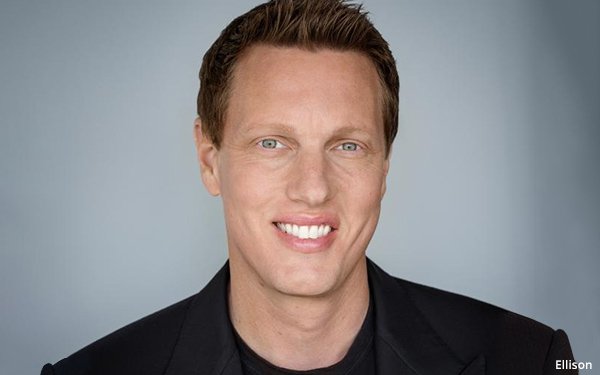
Speaking about the possible combination of Paramount and WBD, CEO of Paramount David
Ellison was asked by CNBC early this week about combining the two news organizations.
He said: “We want to build a scaled news service that is basically, fundamentally in the trust
business, that is in the truth business, and that speaks to the 70% of Americans that are in the middle.”
Ellison believes that makes for a good “business model.”
But
there are deeper questions to ask -- like defining a U.S. audience “in the middle.” This would seem to imply even, respectable, honest journalistic content. Does this mean offering both
sides of a story -- or something else?
advertisement
advertisement
CBS’ “60 Minutes” interview with Rep. Marjorie Taylor Greene discusses a tense conversation and current relationship with President
Donald Trump. It seems that Ellison could offer that this kind of content is part of that "truth business" model.
But Trump didn’t like that interview and heavily criticized that
“60 Minutes” piece.
Should we expect Paramount to continue to prevail over what happens to that kind of “60 Minutes” insightful interview? Can we expect Trump to
concede to his friends at Paramount that what the show offered was the “truth”?
The trouble is, Trump doesn’t always reconcile with the truth, according to many
critics. It’s about heavy-duty marketing and political messaging with little, if any, correction in areas of question to the truth.
David Faber of
CNBC asked: “Do you think the President embraces the idea of you being the owner of CNN, given his criticism, obviously, for that network in the past?
Ellison said: “We've had
great conversations with the President about this, but I think, what, but I don't want to speak for him in any way, shape or form.”
The bottom line is: will TV news advertisers come running to the new service if the
“truth” business changes and viewership and revenue grows?
Here is a trick question: What does Netflix -- the seeming leader in the fight for control of WBD -- think about the
WBD’s cable TV news business?
The answer may be that Netflix's prospective deal doesn’t include CNN -- or any WBD’s cable TV networks.
Beyond steadily declining
financial prospects, Netflix knows current linear TV trends speak to some real truths. Why add another complication?