For years, packaged food brands have tried
to protect margins while insisting consumers would adapt to higher prices. General Mills’ latest earnings suggest that era is over. Even as sales continue to decline — particularly in
North America cereal — cutting prices is pulling shoppers back into the aisle. Analysts say the takeaway for marketers is uncomfortable but clear: Value isn’t a tactic anymore. It’s
the strategy.
Executives said shoppers are responding to lower prices across much of the company’s U.S. grocery portfolio, from cereal and baking staples to snacks and soup.
Analysts say the dynamic is a clear signal for the broader CPG sector, as value once again becomes the most powerful lever for reaching financially stretched households.
For the fiscal second
quarter ended Nov. 23, General Mills reported net sales of $4.9 billion, down 7%, and net income of $413 million, down sharply from the year-ago period.
advertisement
advertisement
In the North America retail segment,
second-quarter sales dropped 13% to $2.9 billion, with much of that due to yogurt divestitures. Net sales fell double digits for the Big G Cereal & Canada operating unit, with U.S. snack
sales slipping in the mid-single digits, and U.S. meals & baking solutions declining in the low single digits. Sales in the North American pet segment climbed 11%, thanks to recent
acquisitions.
Observers are encouraged that the company’s pricing strategy is helping restore volume momentum, even as it weighs on profitability. That tradeoff reflects mounting
consumer pressure, especially among lower- and middle-income shoppers.
“We’ve seen a change in consumer behavior this year that is driving an increase in the cost of volume across
our categories,” said CEO Jeff Harmening during the earnings call. “More specifically, with lower- and middle-income consumers continuing to feel significant economic pressure, we’ve
seen them make a greater proportion of their food purchases on promotion rather than at everyday prices.”
Harmening stressed that the shift is not being driven by deeper or more frequent
promotions across the industry. “It’s simply a reflection of stressed consumers finding ways to stretch their dollars further,” he said.
Between the company’s price
investments, product innovation, and new price packs to restore organic growth, “we're encouraged by signs that these activities are delivering,” writes Kristoffer Inton, an analyst who
follows the company for Morningstar. “The company completed price investments in the second quarter for about two-thirds of the North American retail portfolio, with volumes improving
better-than, or as-expected in 90%.”
He also notes that new products appear to be gaining traction, poised for a 25% increase in sales for the year.
That reality is shaping
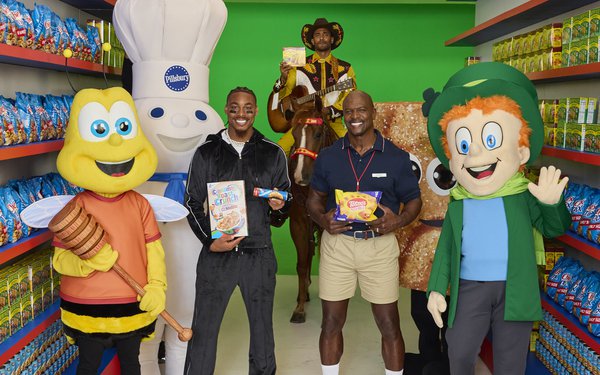
how the company is approaching both pricing and marketing, pairing sharper value offers with high-visibility campaigns. For example, this week, General Mills rolled out a new playoff-season promotion
featuring football player Justin Jefferson and actor Terry Crews, built around a “Spend $30, Get $10” offer across brands including Pillsbury, Chex Mix, Cinnamon Toast Crunch and Old El
Paso.
The campaign underscores how the company is leaning into value without retreating from brand building -- a balancing act many food marketers are now being forced to navigate as
price-sensitive consumers dictate the terms.