A few B2B marketers may feel that privacy issues don't
concern them. But they are wrong: Rebuilding a B2B email list can be dangerous for a brand, judging by a recent column by copywriter Joe Cunningham in Martech.
“Just because contacts are
in your CRM doesn’t mean they’re safe to send to,” Cunningham warns. “The older your list, the more likely you have risky or invalid emails rotting inside.”
One
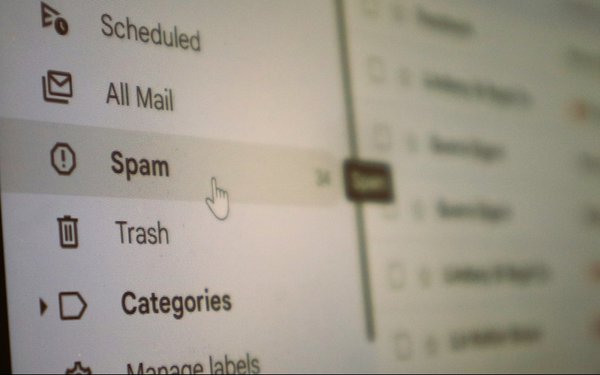
risk that also affects B2C senders is that “ISPs like Gmail monitor spikes in email sends and are suspicious of emails from cold or new senders,” Cunningham writes. “Even if your
email gets delivered, there’s a chance your reader won’t remember you and is more likely to mark you as spam, which hurts your sender reputation.”
advertisement
advertisement
He continues, “People
who didn’t engage with email before aren’t likely to re-engage. If someone isn’t active on a given channel, you’re going to have a hard time reaching them."
So how do
you engage? Carefully. First, don’t keep emailing to inactive names.
“People who didn’t engage with email before aren’t likely to re-engage. If someone
isn’t active on a given channel, you’re going to have a hard time reaching them.”
The first step is to de-risk your list. That means using SPF, DKIM and DMARC (“in that
order,” Cummingham writes.) He adds, "You need SPF, DKIM and DMARC set up correctly and in that order. If you’ve already done this, the next step is to make sure your DMARC reject policy
is set to the appropriate level of strictness."
The column also urges senders to “use email verifiers like Reoon or ZeroBounce to identify emails that are risky and
invalid Any emails flagged as invalid or risky are probably worth suppressing immediately.”
Instead, look for people who have opted into newsletter forms or recently engaged
through email (including 1:1 emails “as long as they’re being sent from the same primary domain") or visited key pages within the last 14-30 days. If that’s not possible, Cunningham
urges marketers to “look for people who engaged within the last 30–60 days.”
The takeaway is that marketers have to be very, very careful. As Raphael Yu, lead generation
and strategy expert at LeadsNavi, told the E-Commerce Times,“In 2026, spray and pray email tactics are far riskier than in previous years. AI-driven spam filters are smarter, routing generic
outreach straight to spam or deleting it without the recipient ever seeing it.”