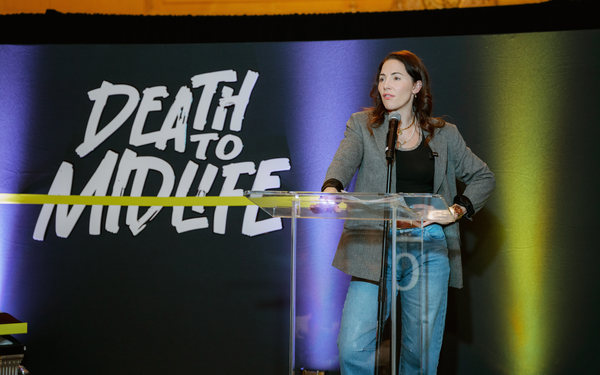
As part of a “Death to
Midlife” campaign, Hone Health asked Americans for the one word associated with aging that they’d like to eliminate.
With the campaign’s title, the longevity-focused
telehealth provider was likely expecting “midlife” to rank high. But that word finished in tenth place, far behind the overwhelming frontrunner: “old,” which was followed by
“fear,” “wrinkles” and “fat.”
Overall, though, Hone found that only 19% of responses were tied to appearance, with more than 60% reflecting identity,
emotion and energy: words like “tired,” “weak,” “past your prime,” and “washed up.”
“It suggests that what people are rejecting
isn’t aging itself, but the meaning we’ve attached to it: a loss of relevance, usefulness, and control,” a spokesperson tells Marketing Daily, adding that the data reveals
that “aging anxiety is predominantly about how we feel, function, and whether we still matter.”
advertisement
advertisement
This info, Hone Health says, supports research it conducted in January of 1,000
adults aged 35-65, which found that 73% felt optimistic about aging, and 71% believe their best years are happening now or still ahead. But 84% of respondents said negative language shapes
expectations for midlife, “even when it contradicts their own experience.”
That research served as the impetus for Hone Health’s wide-ranging “Death to Midlife”
campaign that ended this Monday, April 6, after six weeks.
The campaign kicked off with a full-page Sunday New York Times ad, which called for the symbolic death of the word
“midlife” in the form of a breakup letter.
“With age comes wisdom,” the letter told “midlife.” “We’re smart enough now to end a relationship
that makes us feel bad.
“So tomorrow, we’re holding a funeral for you. There’s a casket with your name on it at Grand Central Terminal, and we’re inviting everyone who
rejects terms like ‘middle aged’ or ‘senior’ or ‘over the hill’ to stop by and bury any word that suggests their life is narrowing instead of expanding.”
The Grand Central activation featured comedian Whitney Cummings delivering a “eulogy roast.”
In addition to Cummings, the campaign featured celebrity infuencer postings by such
brand ambassadors as actor/host Mario Lopez, DJ/entrepreneur Brendan Fallis, and his wife, wellness entrepreneur Hannah Bronfman.
Consumers who suggested a word to bury through a digital
activation received a pdf “healthspan” guide and a discount on a Hone Health membership.