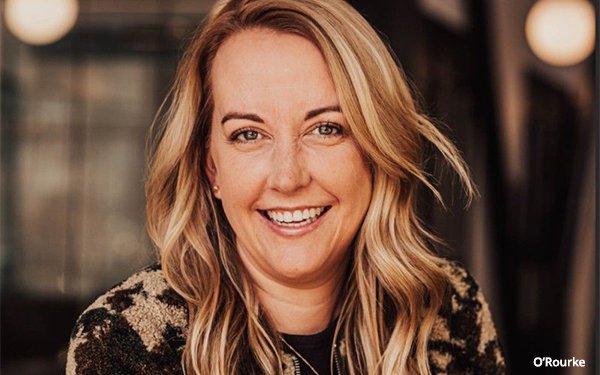
FiiZ Drinks’ Director of Marketing
writes, “Today’s consumers are no longer satisfied with one-size-fits-all products or experiences. What was once considered a value-added feature is now an
expected part of the customer experience. ”
Today’s consumers are no longer satisfied with one-size-fits-all products or experiences. Across
industries, customers have grown accustomed to experiences that reflect their individual preferences, habits and tastes. From personalized playlists on Spotify to curated recommendations on Netflix,
what was once considered a value-added feature is now an expected part of the customer experience.
The shift towards customization is especially visible right now
amongst beverage brands within the quick-service restaurant space. Coffee shops helped normalize the idea that a drink could be modified in countless ways: extra espresso, alternative milk, types of
sweetener, cold foam, extra hot, light ice. The current rise of dirty soda shops has taken that even further by building an entire concept around choice. For FiiZ Drinks, customization is at its core,
encouraging customers to enjoy “Your Drink. Your Way.” and create their own combinations using soda, purees, creams, fresh fruit, energy drinks and flavor syrup add-ins. That flexibility
allows every guest to find something that feels uniquely theirs while still enjoying the consistency and ease of a drive-thru experience in their daily routines.
advertisement
advertisement
Customization does more than satisfy preferences – it creates engagement. When someone creates “their” drink, it feels more personal than simply ordering from a fixed
menu. That sense of ownership can turn an ordinary purchase into a repeat habit and long-term loyalty. It also gives customers a story to share, whether that’s recommending their favorite
combination to a friend or showcasing a personalized creation on social media.
For brands, the opportunity is significant. Customization allows companies to
deliver a more relevant customer experience without having to constantly introduce new products. This opportunity does have its risks, as too many options can create decision fatigue for the guest
while also compromising operational efficiency. The most successful brands are those that can balance customer choice with consistency and speed.
The move towards
customization extends beyond the product itself and brands are applying the same philosophy to their loyalty programs and marketing efforts. By leveraging purchase history and customer preferences,
brands can deliver offers that feel personalized rather than mass-produced. A guest who regularly purchases energy-based drinks may receive a promotion tailored to that category, while another
customer who prefers flavored sodas may see entirely different offers. This approach creates more meaningful customer experience while helping brands increase engagement and retention. Loyalty
programs are quickly evolving from simple rewards earning platforms into personalized tools that help brands better understand, engage and retain their customers.
In an increasingly crowded marketplace, personalization is no longer just a feature – it has become a competitive advantage and a core business strategy. The brands that will
stand out are not necessarily the ones with the largest marketing budgets or the broadest product offerings, but those that make customers feel understood. When done well, customization becomes more
than a feature or transaction – it becomes a meaningful connection between brands and consumers.
If you’re interested in submitting content for future
editions, please reach out to our Managing Editor, Barbie Romero at Barbie@MediaPost.com.