You think email spam is bad?
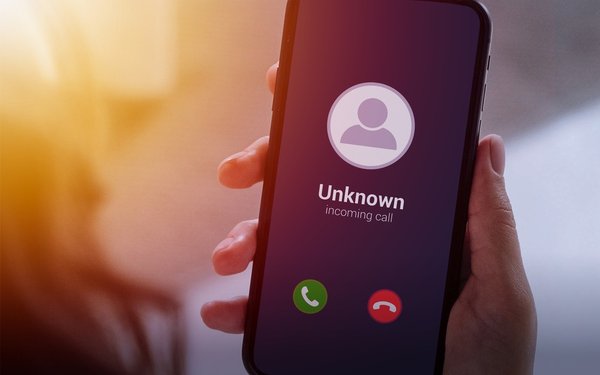
Here’s something worse: scam phone calls. The average American receives over 500 per year, and the result is that 39% of these consumers feel unsafe, according to a study by NordVPN.
The problem is almost universal: 79% of Americans received at least one scam call in the last year.
Of the U.S. consumers surveyed, 43% were called by fake telemarketers or sales agents,
making this the most common type of scam in the country. In addition, 20% were targeted by fake healthcare providers, and 18% by a scam artist impersonating a government or tax authority.
"What these numbers reflect is a deeper anxiety about not being able to trust a call," says Domininkas Virbickas, product director at NordVPN. "The fact that so many people feel unsafe is a sign
that something fundamental has shifted about how people relate to one of the most basic communication tools we have."
advertisement
advertisement
What the study does not document is where the bad
actors obtain phone numbers, assuming they were not just automatically dialed. Anyone worried about privacy has to wonder if phone numbers and email addresses exist side by side in a vast database of
suckers.
Clearly, telemarketing is resuming its dominant position as the chief threat to consumers. With the protections put in place by Google and Yahoo, email almost looks clean by
comparison.
To fight telephone scams, NordVPN has launched HangUp, a free standalone Android app. Available to anyone, HangUp identifies incoming calls, displays
caller information, and lets users block entire categories such as scam or telemarketing calls.
It has partnered with Hiya, a call protection technology firm, to bring the
latter’s Call Protection feature to NordVPN subscribers. This notifies the recipient that a potential scam attempt is coming in before they can answer the phone.
Hiya's reports that one out of 12 Americans lost money to a phone scam in the past year, the average loss being $682.
“Trust in the phone is eroding, and people are
answering fewer calls and missing the ones that matter,” says Alex Algard, CEO of Hiya. "That is the cost of letting scammers win.
“Giving consumers a clear warning before
they answer a scam call is how we turn this around, and it is why we partner with companies like NordVPN to bring that protection to more people.”
On behalf of NordVPN, Cint
surveyed 10,534 internet users across 12 countries from March 9-26, 2026. Of these, 885 were located in the U.S.