In an era defined by fragmentation, sports stands alone.
Audiences today consume media through personalized algorithms, niche communities, and endless streams of
individualized content. Culture often feels atomized into micro-audiences moving in entirely different directions. Yet, one force still consistently brings people together at scale: sports.
Sports is no longer just another content category. It is the last true mass medium.
Few cultural experiences can command simultaneous attention across generations, income
brackets, political ideologies, and geographies the way live sports can. Whether it’s the current excitement around the World Cup, the Olympics, or the Super Bowl, sports creates something
increasingly rare: collective participation in real time. Millions gather around the same moments, the same narratives, the same emotional highs and lows -- all at once.
That
communal power is what makes sports uniquely valuable to marketers and media companies. In a world dominated by fragmented attention, sports delivers shared attention. Stadiums, living rooms, bars,
and social feeds become modern gathering spaces where audiences celebrate, debate, ritualize, and connect.
advertisement
advertisement
Sports now fulfills a role that traditional institutions once occupied. It
provides belonging, identity, and shared meaning without ideology or doctrine. Fans don’t simply consume sports; they participate in communities built around loyalty, ritual, and emotional
investment. Fandom has become one of the most powerful expressions of cultural identity in modern society.
But the influence of sports extends far beyond the game itself.
Sports now functions as connective tissue across the broader cultural ecosystem, shaping and reflecting trends in music, fashion, entertainment, gaming, and art. Athletes are no longer just
competitors; they are cultural architects. They launch fashion brands, influence music trends, shape social conversations, and redefine celebrity itself.
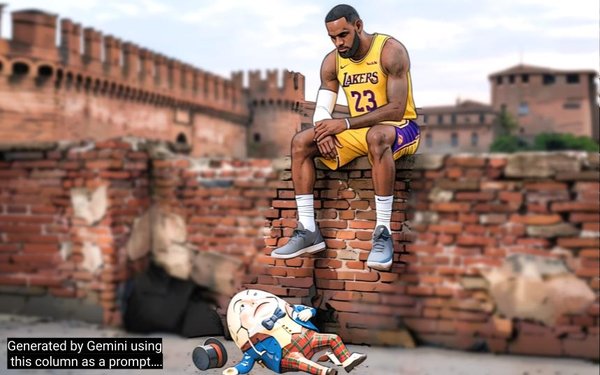
LeBron James has become as influential
in entertainment and business as he is in basketball. “Drive to Survive” helped transform Formula One into a global lifestyle brand embraced by younger audiences, fashion labels, and
creators alike. Meanwhile, pre-game tunnel walks across the NBA now generate fashion coverage that rivals runway shows, reinforcing how deeply sports now shapes broader cultural conversation.
Partnerships between leagues, artists, creators, and luxury brands increasingly blur the line between sports and culture altogether.
This evolution has fundamentally changed the role
sports plays within modern marketing strategy. Brands are no longer investing in sports simply to access audiences—they are investing in sports to access culture. The most effective marketers
recognize that sports is not merely about media exposure or logo placement. It is a gateway into emotional relevance, community participation, and cultural conversation.
That
distinction matters because consumers increasingly expect brands to show up authentically within the spaces they care about most. Sports offers brands something few environments can: emotional
intensity combined with cultural scale. It creates a rare intersection of passion, reach, and real-time engagement that simply cannot be replicated through traditional advertising alone.
As media continues to fragment and consumer attention becomes harder to unify, the value of sports will only increase. Not because it delivers audiences, but because it delivers
connection.
In a divided and distracted culture, sports remains one of the last places where the world still comes together.