This weekend, the 2026 FIFA World Cup
is wrapping up, and per the official press releases, the numbers are staggering. We're talking 6.25 million fans packing stadiums at a near-impossible 99.7% occupancy rate, despite the angst about
outrageous ticket prices.
On television, Fox and Telemundo collectively raked in over $570 million in ad revenue in just a single month, capped by a record-shattering 33.1 million viewers who
tuned in to watch the USA take on Belgium.
Before a single ball was kicked, the general narrative, including my own, worried that consumers would tune out from overload, and not show up
because of cost, leaving marketers holding a very expensive, empty bag. We were wrong. Consumer interest didn’t tank. But the real lesson for marketers isn't found in the raw numbers. It’s
about how people engaged with the game.
advertisement
advertisement
According to recent data from YouGov BrandIndex, the tournament’s biggest marketing wins didn’t belong to big budgets. Instead, the winners
were brands that concentrated on the fan experience: what people wore, what they consumed, and where they were watching.
Gap Kids created big ad impact by launching an officially licensed line
of apparel, finding a natural role in match-day culture. Doritos didn’t win on pure ad volume; with its promotions and interactive sweepstakes, it won on "talkability," generating massive spikes
in positive consumer conversation.
Every World Cup has had marketers ambushing FIFA’s tight control of the event. This year, those included brands finding ways to get fame from the FIFA
"clean-venue" guidelines. This meant iconic structures like Levi’s Stadium in California and Gillette Stadium in Massachusetts were forced to censor their own architecture. Levi's and Gillette
turned their literal cover-ups into highly viral advertising opportunities.
Which brings us to the real winners of the World Cup: social media and content creators, both “official”
as well as unofficial. Calling the role of social media "outsized" might be the understatement of the summer; it fundamentally flipped the traditional broadcast model on its head.
According to
data from Tubular Labs, tournament-related content generated a staggering 146.8 billion views across social video platforms in just the first few weeks of the event. FIFA’s own digital platforms
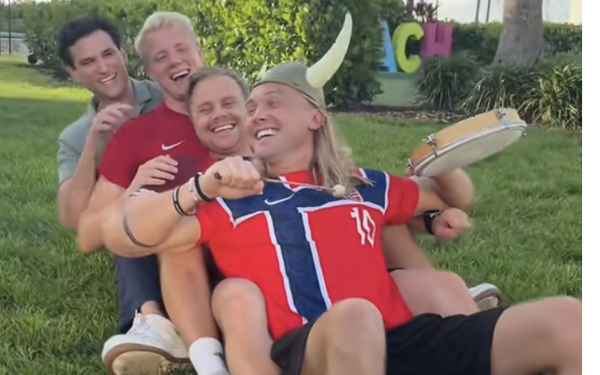
captured an impressive 20 billion video views. Viral organic moments, like the "Viking Row" celebration of Dutch fans going left/right, exploded to the tune of 172 million views on TikTok alone.
Lionel Messi and Cristiano Ronaldo are their own independent media empires, generating 6.2 billion and 5 billion World Cup-related views on YouTube, respectively.
Unofficial, creator-led
content didn't just supplement the tournament; it often became the primary experience. Creator Celine Dept racked up 1.6 billion views covering the event, while influencer iShowSpeed generated 202
million views for a single, chaotic match recap in just over three days.
Add to this content from official broadcasters, official team platforms, other players and an assortment of other
creators, and we can only conclude marketers who blindly poured money into traditional ads saw inflated costs, while those who curated nimble insertions into social-first environments captured the
couch-fandom dividend.
If you're paying for an expensive sponsorship but failing to feed the unscripted, snackable media loop that fans are accessing during and after the game, and at
half-time, you've failed to understand and capture where fans are.
We talk a lot about the negative effects of social media on the world, and in advertising. These concerns are valid and
important. But at the same time, if there is one medium that became world champions, it was the social media channels.