
U.S. regulations set to take effect this November are designed to
greatly narrow an eight-year-old federal loophole that legalized a wide range of hemp-derived, intoxicating cannabinoid products, sold as edibles, beverages, vapes, concentrates or extracts.
These products – containing either Delta-8 THC, HHC or THC-P – still required safety warnings, but Rutgers University research into such brands’ social media posts has found such
information overwhelmed by recreational and youth-oriented themes.
Published Aug. 19 in Addiction, the study looked at 837 Instagram posts published between Feb. 2024 and Feb. 2025 by
nine brands: CannaAid, Cycling Frog, Delta Extrax, Elyxr, Fly Urb, Hometown Hero, Koi CBD, Mood, and Official Canna River.
Calling “brand marketing on social media…largely
underregulated,” Rutgers charged in a press release that the brands have been “capitalizing on lack of oversight.”
advertisement
advertisement
The university’s researchers evaluated the social
posts for such “key marketing themes” as product recreational appeals, imagery oriented to those aged 18 and younger, health claims, and safety warnings.
Approximately half of the
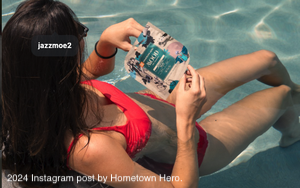
posts included youth-oriented elements, such as cartoon imagery, memes, and influencers.
Fifty-two percent showed images depicting the products as part of daily routines and social or leisure
experiences.
Marketing approaches
varied by product type, Rutgers said. For beverages, called “the most heavily promoted product category,” 84% emphasized recreational themes, 57% using youth-oriented appeals and 40%
focusing on “brand positioning.” Youth-focused themes, the study said, were also prominent in posts marketing vapes/cartridges (54%) and edibles (49%), with recreational themes more common
in posts for edibles (61%) and pre-rolls or blunts (53%).
Even with the coming change in regulations, which both narrows the federal definition of hemp and decreases the maximum allowed amount
of THC, the researchers cautioned that “brands with established social media audiences may continue using indirect lifestyle and brand marketing even as the product marketplace
changes.”
“These findings highlight important gaps in platform policies and enforcement,” Julia Chen-Sankey, study co-author and an assistant professor at the Rutgers
School of Public Health, said in a statement. “In addition to maintaining the prohibition on intoxicating hemp products… regulators and social media companies need clearer standards
addressing youth-oriented features, such as cartoons and memes, as well as potentially misleading health claims and inadequate safety information.”
“While this study focused on
Instagram,” Chen-Sankey noted, “similar indirect marketing practices warrant closer examination on platforms such as YouTube, Facebook and TikTok.”
The researchers explained
that social media platforms’ policies “use broad and vague language regarding restrictions on the sale and promotion of cannabis and THC products. This ambiguity allows brands to continue
posting content that, while not directly selling these products, may still promote their use among young people.”
“Stronger standards are needed to restrict content that is
potentially misleading and directed at youth and even reconsider whether commercial brands that market intoxicating substances should be permitted to maintain social media accounts,” said
Chen-Sankey.