"Personalization" is a likely contender
for "Media3.0's" buzzword of the year, and a new slate of features just announced by Google may put it over the top -- ahead of other strong candidates like "GEO," "visibility," "agentic,"
"human-first," "retail tourism," and "micro-audiences." But you'll have to wait until the end of the year to find out for sure.
Meanwhile, Google has just accelerated how users -- as well as
publishers -- personalize their journeys across search, discovery and news in ways that could impact consumers and marketers alike.
You can read the details on Google's blog post here, but the
gist is that there are essentially three important updates:
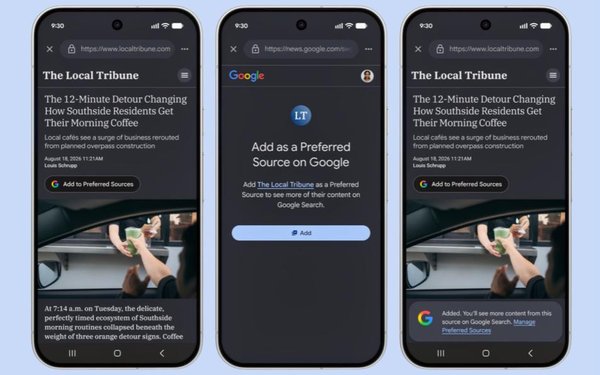
A new “Preferred Sources” button publishers can embed
directly on their site enabling readers to follow them on Google without leaving the page (see above).
advertisement
advertisement
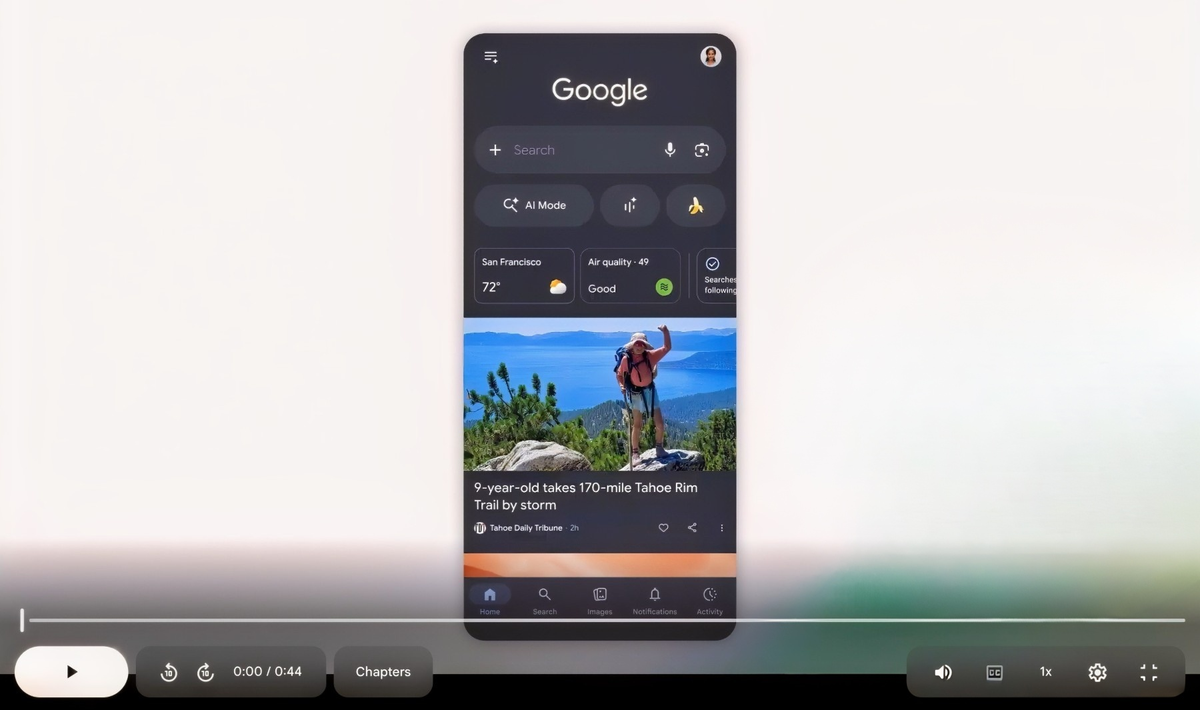
In Google's Discover
tab, users can now tailor content they see in their feed using natural language via a new chat interface (see demo video below).
As for news, Google is now offering customizable daily audio briefings by topic in the Google News app on Android.
While the personalization updates are not
new -- Google first began tinkering with them back in 2004 when it launched its Google Personalized Search Beta -- the new updates represent an important leap forward.
"I'd rate it 7,"
MediaPost's Google and search lead reporter Laurie Sullivan quipped when I asked her to rate the importance of this personalization news on a scale of 1 to 10 (10 being most innovative) from her
historical perspective.
"It’s a significant advancement, but there’s still room for improvement," she added via email while I'm filling in for her while she's on vacation this
week.
"Google made finding a preferred source of information easier to discover, but it’s also important to have the ability to find information you didn’t know you wanted or
needed. AI has made it easier to personalize information. These features are an evolution of what advertisers have seen in the past, and insight into what they can expect in the future.
"It will become more helpful for advertisers to reach consumers who are less tech savvy, because the features meant to personalize results are based on automation and AI."
Personally, I've
always liked Google's approach to personalization, because much of what it innovates is invisible to users unless it is something they manually need to think about. Like setting preferences for news
and content sources, and now via partnerships with publishers they're taking some of the manual friction out of that process by enabling publishers to put a single click on their sites.
While
I'm not a big fan of "listening" to audio overviews of my news, I understand that is other people's personal preference, so good for Google for enabling that one too.