My parents were strong believers in after-school jobs.
If I wanted something, I was expected to earn it myself, not ask for it. I cleaned a fabric store, I scooped ice cream at Bruster’s, but my favorite job was working at American Eagle. Shout out
to Store 885 at North Point Mall.
Sure, the $10 per hour was great, but what does a 16-year-old girl like more than money? Clothes. And the 40% employee discount paid
dividends to me when I was in high school. So, for two years I paid my dues to the retail gods in sacrifice to fashion.
I folded (and refolded) graphic Ts. I
worked overnight on floor sets, swapping out inventory when the season changed. I clocked in at 4 a.m. on Black Friday back when people still lined up outside malls. To this day, I still fold my jeans
the American Eagle way.
advertisement
advertisement
After I graduated, I left for college at University of Florida, but that first summer home I went right back to American Eagle. Sure, I needed
some cash, but more importantly, I needed that 40% employee discount for my Rush outfits the following August.
When I Rushed, RushTok wasn’t a thing. Hell, this
was before TikTok and Instagram were a thing and when Facebook was still limited to .EDU email addresses. Our Rush dance routines looked like bad backup dancers in a Mandy Moore music
video.
RushTok, from where I sit now, is a genuinely terrifying place for a millennial. I do not recommend this for the faint of heart.
For American Eagle, showing up for Rush isn’t foreign territory. They belong there. They’re running sorority house takeovers, content studios and DIY denim drops, treating
RushTok not as a moment to capitalize on but an economy to build.
How do you take a viral, fast-moving moment like Rush and turn it into something durable? What does the
creator economy unlock that a traditional media buy never could? And when dozens of brands are chasing the same audience, how do you make sure yours sticks out?
We sat
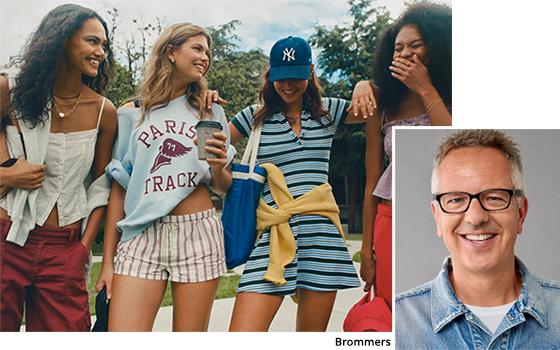
down with CMO Craig Brommers to find out. Listen to the full episode here.