Earlier this week, I was a guest on the Intelligence
Briefing podcast, which will be aired later this month. It is hosted by Andreas Welsch, and he is -- *gasp* -- an AI consultant. To be more precise, he is a tech marketer turned AI consultant.
He calls it like it is and delivers helpful knowledge regarding AI tools and developments and delivers no-nonsense context.
In full disclosure, there are other smart AI consultants out there.
And in full disclosure, they are not the ones that litter your LinkedIn feed with overpromise and hype about “automating everything in 30 minutes” or “instead of Netflix, watch this
1-hour video tonight.”
Anyway, we had a fun 30-minute conversation. Like many AI consultants, Welsch initially wanted to talk about autonomous AI agents buying our groceries, clothes,
flights or even cars. The bots are taking over the shopping cart!
advertisement
advertisement
We decided to take a more honest look at where things stand (at least for today. It might all be different next week, or
month).
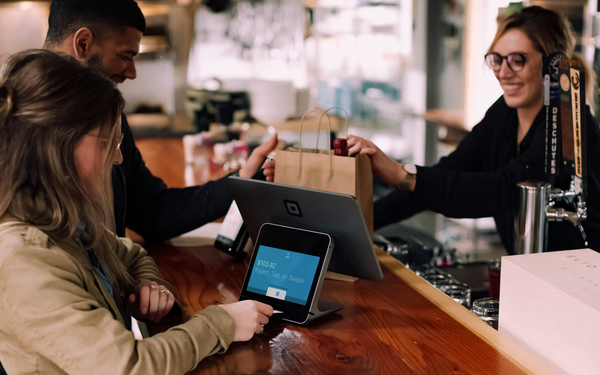
If you look at actual retail data, brick-and-mortar stores still account for over 80% of total retail sales. Ecommerce takes the rest, and true "agentic buying"—where an
algorithm selects, negotiates, and checks out without a human approving the order—is a fraction of a fraction. It mostly lives in B2B enterprise tasks or low-involvement home replenishment like
toilet paper or trash bags.
Why? Because humans are still going to stores. To date, few people trust a bot choosing their living room couch or clothing.
Today, marketers are spending
endless strategy meetings worrying about bot-to-bot checkouts while their internal operations remain a mess. Their product data feeds are broken, their data governance is nonexistent, and their
agencies are still charging them manual labor fees for basic reporting.
It’s true that consumer discovery is moving into AI at enormous speed. People aren't typing generic keywords into
a search bar anymore, but asking AI tools multipart questions to narrow down options. AI search models deliver influential answers long before a consumer ever lands on a brand's website or walks into
a physical store.
And so, if your product isn't recommended when an AI model synthesizes options, you don't make the list. You're invisible before the shopping cart appears on a
consumer’s screen. That’s bad today, and even worse tomorrow, when AI agents will do the shopping (and they will, eventually).
So here are some ideas about what
marketing leaders can do instead:
First and foremost, don’t fret too much about overhauling your payment processing stack for autonomous AI consumers today. The majority of actual
transactions still happen through traditional physical retail stores or ecommerce checkouts.
You do need to focus on answer engine optimization (AEO) and generative engine
optimization (GEO). I have seen some of the data from companies specializing in these analyses, and it really pays to ensure your product specifications, FAQs, and inventory data feeds are structured
so AI search engines can easily understand, find and include your brand.
And finally: Elevate the brand experience if you are in the business of high-involvement goods. Double down on physical
retail presence, distinctive creative assets, and real-world connection. An algorithm can order dish soap, but it can't build human desire for a premium brand -- or any brand, for that matter.
Not yet, anyway.