The Coca-Cola Company announced its succession plan for CEO
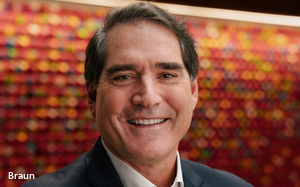
James Quincey Dec. 10. In a news release, the company announced that its board of directors elected current COO Henrique Braun to succeed Quincey as its CEO, effective March 31.
Quincey is
stepping down following around nine years as CEO, and transitioning into a role as executive chairman. Since being appointed as CEO in 2017, his leadership at Coca-Cola has focused on expanding the
company’s brand roster, and the digital transformation of its operating model and marketing strategy.
The marketing transformation has included a major global agency review in 2020
concluding with WPP’s dedicated OpenX unit winning the business, and a closed review earlier this year leading to Coca-Cola naming Publicis as its new North America media agency partner. It was
also heavily focused on increased investments in Coca-Cola’s digital marketing presence–exemplified by Coca-Cola bringing back its “Share a Coke” campaign with new digital
marketing components this year–and AI marketing capabilities. The latter has sometimes proved controversial, with some consumers critical of Coca-Cola’s recent AI-driven holiday campaigns.
advertisement
advertisement
“I’m stepping down as CEO after a 30-year career with the company, and I have an appreciation of what a privilege it has been to serve this great and enduring business,” Quincey
said in a statement. “Henrique is a trusted and highly experienced business partner, and he’s the right leader to steer the company and the Coca-Cola system for future growth and
success.”
Like his successor, Quincey served as Coca-Cola’s COO before being appointed its chief executive. He spent around two years in the COO role, beginning in 2015, after
holding a variety of leadership roles at Coca-Cola since joining the company back in 1996.
In a statement, David Weinberg, Coca-Cola’s lead independent director, called Quincey a
“transformative leader.
According to Coca-Cola, Braun’s focus as its new CEO will be on pursuing strategic growth opportunities globally, evolving the company to more closely align
with consumer needs, and “leveraging technology as an enabler of business performance and growth.”