Mattel’s autistic Barbie has
sensory-sensitive, stimming features — which any parent of a child on the spectrum will be intimately familiar with.
“Barbie is launching its
first autistic doll in an effort to represent how individuals with autism spectrum disorder experience the world around them,” according to USA Today. "The doll, which is part of Barbie's Fashionistas
line, includes intentional design choices like flexible elbow and hand joints for stimming, which refers to repetitive body movement behavior some people with autism engage in to process sensory
information.”
The doll’s accessories also reflect that some autistic people prefer noise-canceling headphones, loose-fitting clothing and a tablet with Augmentative and
Alternative Communication apps.
advertisement
advertisement
“Mattel said it developed the autistic doll over more than 18 months in partnership with the Autistic Self Advocacy Network, a nonprofit
organization that advocates for the rights and better media representation of people with autism,” according to ABC News.
Developing he doll was "a challenge because autism
encompasses a broad range of behaviors and difficulties that vary widely in degree, and many of the traits associated with the disorder are not immediately visible, according to
Noor Pervez, who is the Autistic Self Advocacy Network's community engagement manager and worked closely with Mattel on the Barbie prototype,” according to ABC News.
This Barbie will be available beginning Jan. 12 at Mattel Shop and Target for a suggested retail price of $11.87. It will later rollout to Walmart stores nationwide in March.
“With an animated Barbie film in development, following the success of Greta Gerwig’s 2023 blockbuster movie, Mattel Studios will certainly have a diverse range of
characters to bring to life,” according to The Guardian. “While the first
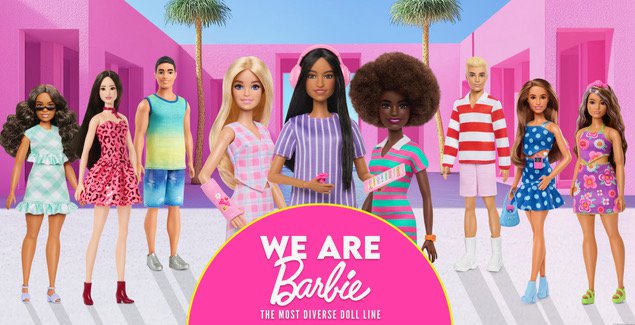
Barbies date to 1959, until 2019 there were no dolls with disabilities. Now there are blind dolls, as well as Barbies in wheelchairs, with Down syndrome, prosthetic limbs, vitiligo and hearing
aids. There is also a Ken doll with a prosthetic leg, another who uses a wheelchair with a ramp, and one with hearing aids.”