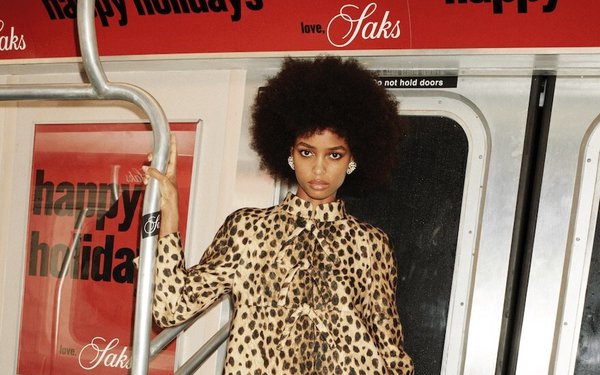
Saks Global finally
made it official, filing for Chapter 11 and confirming what the industry has expected since the Neiman Marcus acquisition: Crushing debt, uneven comps and a tepid luxury market left the business with
nowhere to go. The company says it secured $1.75 billion in fresh capital and named Geoffroy van Raemdonck as CEO, a reassuring choice given his history steering Neiman Marcus through its own 2020
bankruptcy.
Van Raemdonck is moving fast to calm the two audiences that matter most: debt holders and luxury brands. Brandy Richardson, Neiman’s CFO during its bankruptcy, is now the CFO
of Saks Global. Darcy Penick takes the role of president and chief commercial officer, overseeing marketing, stores, buying and digital. And Lana Todorovich becomes chief of global brand partnerships,
a critical job as Saks works to keep marquee labels on board.
advertisement
advertisement
“In close partnership with these newly appointed leaders and our colleagues across the organization, we will navigate this
process together with a continued focus on serving our customers and luxury brands,” van Raemdonck said in the announcement. “This is a defining moment for Saks Global, and the path ahead
presents a meaningful opportunity to strengthen the foundation of our business and position it for the future.”
It won’t be easy. Luxury shoppers hate feeling like they’re
buying off a distressed rack, and high-end brands don't want to operate in stores that look like their best customers have moved on.
So who benefits from the Saks Global's bankruptcy
announcement? Department-store rivals with a healthier balance sheet and a cleaner customer promise, notably Nordstrom and Bloomingdale’s, owned by Macy’s. But bigger winners may be the
brand-owned fleets. Louis Vuitton, Hermès, Prada, Chanel and Burberry have all spent the last decade building and upgrading their own doors, and that direct control has been quietly siphoning
business away from multibrand flagships. The hollowing-out of Saks Global will only accelerate that shift.
“The debt-fueled acquisition of Neiman Marcus always made bankruptcy a likely
destination for Saks Global,” writes Neil Saunders, managing director of GlobalData, a retail research company. “The only real surprise has been the speed of the collapse, which has come
barely a year after the deal closed.” He notes that the company just couldn’t escape the consequences of its debt-driven splurge in the Neiman Marcus acquisition. “Suppliers went
unpaid, this created inventory gaps which then drove customers away and caused revenue and cash generation to plummet. This classic vicious spiral put the business in an unsustainable position.”
Resetting trust with brands, he notes, “will take some years to correct.”
The filing marks the largest retail bankruptcy since 2020’s wave that took out Lord &
Taylor and JCPenney. But unlike those collapses, this one isn’t just about too many stores and too much debt. It underscores a luxury market where brands, not department stores, increasingly
control distribution and customer experience, and where even legacy flagships can’t count on being the gatekeepers anymore.