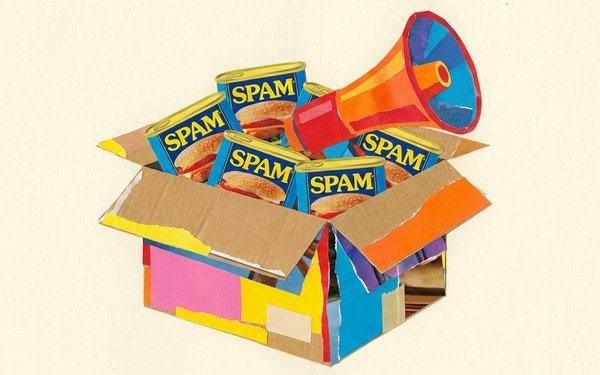
There was a time when direct
mail — no matter how welcome — was referred to as “junk mail.” In that same way, cold email is often called “spam,” even when it is
legitimate.
“It’s commonly accepted that cold outreach should be avoided like a half-eaten hot dog in a parking lot,” writes Alexander Melone writes in Mar-Tech.
“And yet it persists.”
Here’s the argument.
“With the right framing — and real respect for the recipient’s time — cold email can still be
effective,” Melone continues. The margin for error is thin, though. Poor execution can damage brand perception and strain relationships with future customers before they even
begin.”
Melone adds, “First, it’s important to distinguish between cold email and the kind of spam no one wants clogging their inbox. The former aims to make a genuine
connection and demonstrate clear value. The latter is a desperate Hail Mary, sent in the hope that someone — anyone — responds.”
advertisement
advertisement
That’s a big distinction.The CAN-SPAM
law passed in 2004 prohibits the sending of mass emails to people who don’t want them, meaning you must offer them a chance to opt out. That doesn’t mean they have to opt
in.
“Spam relies on a quantity-over-quality approach,” Melone contends. “The goal is simple: send as many messages as possible, regardless of relevance or, worse,
whether recipients ever agreed to hear from you.”
Here's some advice. It starts with the subject line. Melone suggests: “The clearest way to show you’re
serious about reaching out is to demonstrate that you’ve done your homework — focusing on:
- What the recipient is working on
- Where they came
from
- The common pain points in their industry that you can help address
We would still be careful.