Taking a different approach to mental health support for
teens, the Ad Council and Omnicom’s BBDO New York have worked with experts -- and most significantly, with teens themselves -- to create what they hope becomes a new buzzword among 13- to
17-year-olds: “zill.”
Defined as “any action to show love to your mind on good, bad, or whatever days,” teens “zill” in a campaign launching Monday on World
Teen Mental Wellness Day.
A year in the making, the effort includes six PSAs running on a wide range of teen-targeted media, and more than 50 specially developed activities at a zill.org hub.
“The campaign was co-created with teens and young adult creators from a wide range of backgrounds, interests and communities,” Heidi
Arthur, the Ad Council’s s chief campaign and program officer, explained to Marketing Daily. “Through a combination of community groups, focus groups and surveys, teens from around
the country advised the campaign’s development and also helped vet ideas along the way….Teens helped shape the language, tone and examples of what zilling can look like, ensuring the
effort reflects the realities of their daily lives.”
advertisement
advertisement
The term itself was “inspired by the word ‘resilience’ and is intentionally broader than
‘chilling,” Arthur revealed, saying it’s designed to “include any constructive action that feels grounding or supportive. That can include taking intentional breaks, but it can
also mean movement, creativity, connection, or focus. Zill is flexible and personal, reflecting the idea that mental health isn’t one-size-fits-all and that caring for your mind can look
different day to day.”
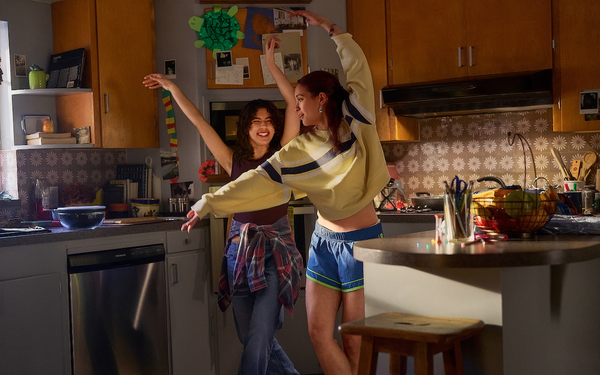
In the campaign PSAs, for example, kids zill by dancing, stargazing, laughing, exhaling, and fishing.
The videos all direct teens to zill.org, which offers its
own explainer video plus those dozens of experiences, including video and audio
sessions.
“In addition to leaning on teen and young adult content creators to amplify on social media, zill.org is also designed to deliver deeper mental health education with
the same peer-to-peer approach,” said Arthur.
The campaign also includes @LetsZill social media accounts delivering “ongoing education, inspiration and resources designed with
teens’ voices at the center."
The PSAs themselves are running across broadcast TV, online video, audio, cinema gaming and digital media platforms.
Media -- with strategy
and outreach provide by Omnicom’s Initiative agency -- has been donated by Paramount; Gamersafer; BDG Media, whose brands include Nylon, Bustle and Elite Daily; mobile ad
platforms Cluep and Kargo; Screenvision; Sirius XM; gaming ad network Super League Enterprise; TikTok; social ad network Whistle; and music video network Vevo.
Explaining the reasoning behind
the campaign, the Ad Council pointed to research it conducted late last year in which 70% of teens said they had experienced a mental health challenge in the past six months, but 56% didn’t
know what caring for their mental health looks like. “Zill” is designed to counter usual mental health messaging that teens say “feels overwhelming. and mostly focuses on struggles
and crisis,” the Council said.
“We aim to give teens a relatable, empowering way to talk about mental health so they can integrate it into their daily lives – through habits,
language and relationships,” added Arthur.
Campaign success, Arthur said, will be measured “through ongoing research and surveys with our teen audience to track shifts in their
mental health attitudes and behaviors over time. We’ll also monitor engagement with the activities and resources on zill.org and
across our social platforms.”
The “Zill” campaign, part of the Ad Council’s mammoth multiyear “Love, Your Mind” mental health initiative, was developed with support
from the Arthur M. Blank Family Foundation.