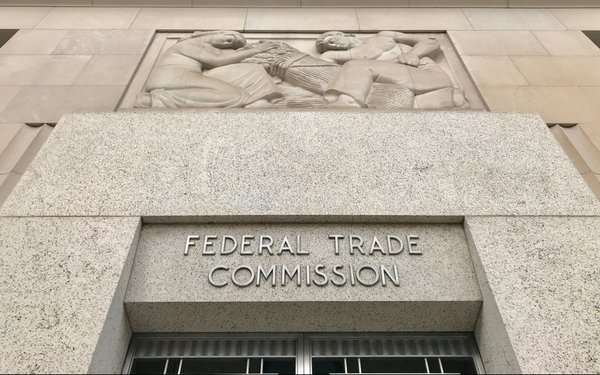
The Federal Trade Commission is once again
considering whether to issue rules that could make it easier for consumers to cancel recurring subscriptions for cable television, gyms, newspapers and other products and services.
The agency on Wednesday issued an "advanced notice of proposed rulemaking" regarding
so-called "negative option" practices -- such as automatically charging consumers for a product or service every month, unless they affirmatively terminate their subscriptions.
Among other issues, the FTC is seeking input on marketing practices that enroll consumers in automatically recurring subscriptions without "express informed consent," and practices
that hinder cancellations.
The FTC last addressed recurring subscriptions in 2024, when it passed a set of now-vacated "click-to-cancel" rules that would have required
companies to offer a “simple” cancellation mechanism, and allow consumers to cancel subscriptions through the same medium that was used to purchase them. In practice, those rules would
have required businesses that accept subscriptions through online platforms to also allow people to cancel through an online platform.
advertisement
advertisement
The agency approved those regulations by
a vote of 3-2, with both Republicans then on the commission, including current chair Andrew Ferguson, voting against passage.
The 8th Circuit Court of Appeals struck down the
rules last summer, one week before they were slated to take effect, writing that the FTC wrongly failed to conduct a detailed economic analysis of the potential impact of regulations before passing
them.
The FTC now says it's seeking information on issues including whether to revive the 2024 rules, or whether there are "alternatives to regulation, such as the publication
of additional consumer and business education."
The agency's move comes as complaints about recurring fees appear to be surging. The FTC says that in the last five years, it's
received more than 100,000 complaints about "negative options and related practices."
"The rate of these complaints has steadily risen from at least 33 per day in late 2020 to
more than 90 per day in 2025," the FTC wrote, adding that the complaints come from every state and involve "hundreds" of companies.
"Negative option offers, which have become
more widespread in recent years, can provide substantial benefits for sellers and consumers in the marketplace," the commission wrote. "However, consumers cannot reap such benefits when sellers fail
to make adequate disclosures, charge consumers without their consent, or make cancellation difficult or impossible."
The appellate court decision that invalidated the former
rules came in response to a lawsuit by business groups including the Interactive Advertising Bureau, Michigan Press Association, NCTA -- The Internet & Television Association and Chamber of
Commerce. Those groups argued that the rules were too broad, and that the agency failed to follow all procedural requirements before promulgating them.
In recent months, the
Electronic Privacy Information Center, National Consumer Law Center, Consumer Federation of America, American Economic Liberties Project and other advocacy groups have urged the FTC to revive those rules.
The tech
organization Computer and Communications Industry Association -- which counts large companies including Amazon, Google and Meta as members --
argued against resurrecting the former rules.