It’s
already been a banner year for the Dunkin’ brand in holding a steady drumbeat of culture.
There was no way Dunkin’ would let us snooze the morning after the USA
clinched gold vs. Tim Horton’s homeland in hockey. Holding true to its brand promise, Dunkin’ owned the moment turning this “good morning,” unlike any of the other 364 a.m. greetings, into a national rally
cry.
Then came the ultimate industry proxy war, shifting the competitive field of play to The Big Game. Culture kept the scorecard when Good Will
Dunkin’ left America buzzing as the fifth most trending topic on Twitter U.S. on Sunday night. From headlines to headlights, positive sales and traffic outlined the Monday
book of business in bold. February was a metaphorical spotlight on heritage versus heritage - the New England-born Dunkin’ taking on the Seattle-native Starbucks.
The win was sweet, but the momentum from a Broncos vs. Patriots showdown – pitting heritage against new regional relevance - would have been the ultimate stage to cement that America
really runs on Dunkin’ from the established Northeast to emerging West. Here’s just a taste of the pride the legacy market would have been up against!
advertisement
advertisement
February marked the “Coffee Bowl,” yet no matter Punxsutawney Phil’s verdict, it’s a daily question of “iced vs. hot” at
point of purchase. With buyers in the West voting “iced” in more than 60% of their orders, this insight invited Dunkin’ to connect to culture in a “stunty” way: reward
customer behavior and accelerate the demand for iced with an immediate exclusive reward.
What is the obsession with iced beverages? It’s
not just a trend - it’s a remapping of the quick-service restaurant (QSR) landscape. Data reveals that 30% of all QSR occasions are now drink-first.
Look at Taco
Bell – Collider reported that 62% of their orders now include a drink, totaling 600 million beverages in 2025 alone. That’s a 16% jump in just one year. The battle for consideration at
snacking and shoulder dayparts has evolved beyond the core – it’s now manifested bespoke sub-brands like McDonald's, CosMc's and Chick-fil-A’s Daybreak. These aren’t just
extensions; they are strategic anchors in the high-frequency beverage space. We are witnessing an inversion of the traditional funnel: if those guys get it right, by 2027, next-gen customers will come
for the premium pours and stay for the meal.
Why are iconic brands suddenly running a full-court press in the beverage playoffs? We have moved beyond the era of simple
utility. In a market crowded by choice and squeezed by inflation, Gen Z and Gen Alpha are performing constant, micro vibe checks. They aren't just buying a drink; they are auditing the emotional
promise or return on their investment. The vibe is the primary value proposition, the social currency that decides which brands survive and which brands die.
Marketers,
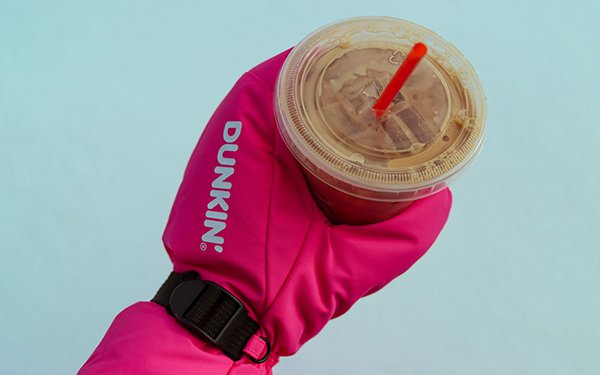
we no longer own the brand – we are co-creating it with our customers. Your brand will be increasingly measured by how many people are willing to wear your version of a bold Dunkin’ pink
left-handed iced beverage glove just to signal their belonging. When a customer performs that split-second “vibe math,” they aren’t looking for value. They’re looking for a
mirror.
If you want to be an unignorable lifestyle staple rather than a heritage memory, you have to stop solving for hunger and start solving for resonance. You have to
move beyond the menu. In this beverage-first economy, the brands that win won’t just be the ones with the best distribution or the lowest prices. They’ll be the ones that tap into that
rising need for identity and pride. They’ll be the ones that consumers feel proud to hold in their hands, because in 2026 - a year defined by what Edelman calls the “retreat into
identity” - what you drink tells the world exactly who you are.
If you’re interested in submitting
content for future editions, please reach out to our Managing Editor, Barbie Romero at Barbie@MediaPost.com.