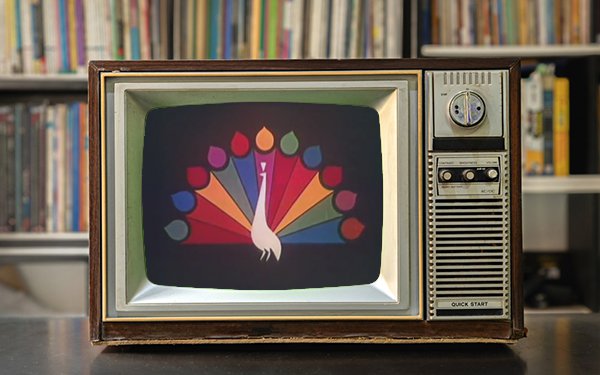
TV is changing. But are the references, terms and
definitions really going away as well?
At a recent MediaPost Outfront event, Carrie
Drinkwater, Chief Investment Officer at Carat, talked about a card game her family was playing. The card game was called the Herd Mentality.
One of the questions that came up on the card
was "What's your favorite network?” which fueled some deeper inquiry from younger kids as well as older adults and parents: "What's a network?
Veteran media industry professionals knee
deep in all the media ecosystem changes don’t always have time to think about the obvious. Maybe we should go deeper as in: What’s a network without scripted or unscripted
entertainment?
This comes along as Rich Greenfield, media analyst of LightShed Partners, poses a related question many might be thinking about -- what if the network just stopped producing and
airing non-sports scripted and unscripted entertainment programming?
advertisement
advertisement
The trend is easy to follow. Over the past 20 years, he says, non-sports broadcast prime-time viewership is down over 75%,
while one major sports programmer -- NFL regular-season -- has seen its viewership rise over 30% during the same period.
And it’s not just the NFL, which grabs big headlines with a
mega-high 18 million average viewers per game.
Lower-profile sports programming -- including NBA, Major League Baseball, NASCAR and professional golf -- is also durable content for advertisers
to tap their brands into better and consumer engagement in real-time.
Starting about two and half decades ago, over-the-air broadcast TV transitioned to more inexpensive unscripted TV series
like “American Idol,” "Survivor" and “Dancing With the Stars.”
Now a different financial equation is needed -- due to heavy consumer cord-cutting -- as scripted
entertainment is finding a more comfortable on-demand platform for consumers with big premium streaming platforms -- like Netflix, Disney+, HBO Max is others.
This isn't to say that the
airings of those entertainment shows are not valuable on broadcast -- just less so. For many media-buying executives, starting those fresh episodes on broadcast still has value -- even if the same
episode appears on legacy streamers platforms the next day.
Still imagine that one day the Fox broadcast network -- which at times gets around 30% of broadcast airings from sports -- goes to
50% or even 80%. Industrywide sports can be nearly 40% of all broadcast viewing in certain periods.
In turn, think about a network’s own brand association: What do we call the Fox
Television Network?
Does the word "sports" make an appearance?
Well, one thing is for sure: We won’t need the word "network" -- whatever that word means these days.