A new documentary on
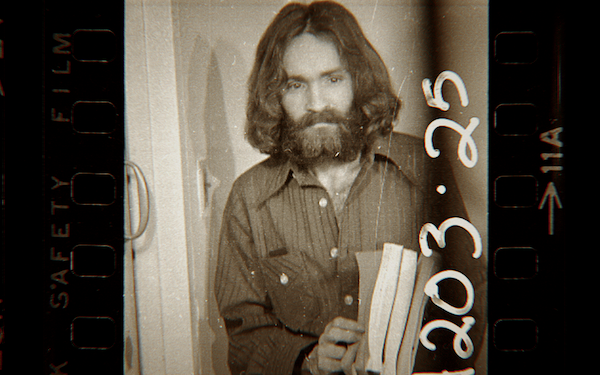
Netflix plays up its access to never-before-heard audio of interviews with Charles Manson in the very first frame.
The three-part doc, titled
“Conversations with a Killer: The Charles Manson Tapes,” opens with the words: “This series includes audio recordings of conversations with convicted killer Charles Manson. The
majority have never been heard. Until now.”
Oh, great. A new opportunity has arisen to hear the ravings of one of the most twisted murderous maniacs in American
history.
Manson’s ravings have been heard in so many made-for-TV documentaries over the years that Google Gemini cannot determine exactly how many there have
been.
If this new audio is, in fact, new, then hats off to director Joe Berlinger for finding anything related to Charles Manson that we have not heard or
seen before.
advertisement
advertisement
But to what end? What should be the expiration date for these kinds of documentaries on killers who committed incomprehensible
crimes?
“The Charles Manson Tapes” is the fifth and final installment of Berlinger’s “Conversations with a Killer” series,
which already showcased John Wayne Gacy, Ted Bundy, Jeffrey Dahmer and “Son of Sam” David Berkowitz.
All of them have had thorough goings-over
through the years, leading the TV Blog to wonder what on Earth we can still learn by watching their stories again.
Of all of them, Manson is probably
the TV-documentary champ. Or at least he was champ. He has been dead since 2017, but his name and deeds are evidently destined to live on and on and on.
Sometimes, the documentaries on these notorious killers seem to pile up. Netflix debuted another Manson documentary just last year, in March 2025.
This one was called “CHAOS: The Manson Murders” directed by Errol Morris. “Manson Murders” or “Manson Tapes,” as long as the title of a Manson
documentary has “Manson” in the title, then it will get on television.
I sometimes wonder if all of the documentaries and dramatic miniseries on
infamous stories from decades past have legs because younger viewers, who were not around to experience them, find them fascinating. And so, TV keeps churning them out.
On TV, true-crime murder is a fetish. I bet if I ask Gemini how many hours in a single week are devoted to true-crime murder shows across all TV platforms, it would not have an answer for
that either.
Whether the murders on view involve infamous figures such as Charles Manson or just ordinary people murdered by other ordinary people under
sordid circumstances, I am continually struck by their grotesquery.
For example, “The Charles Manson Tapes” on Netflix starts with reminiscences
by two Los Angeles police officers who were the first on the scene of the gruesome 1969 murders of actress Sharon Tate and four others at Tate’s L.A. home -- all attributed to Manson and his
co-called “family” of followers.
The documentary shows us the crime-scene photos of the bloody and mangled bodies of the victims -- in a car, on
the front lawn and inside the house.
All of TV’s murder shows do this. Crime-scene photos are part of the public record, and therefore available and
easy to get.
But when I see these photos on all the “Dateline,” “20/20” and “48 Hours” reruns, I always think about the
next of kin of these poor victims.
Many of these relatives are seen in these shows. They have obviously agreed to be interviewed.
But when they see the finished shows with all of the grisly crime-scene photos, what must it be like for them?
And by the way, these shows, and all of the other ones like them, live forever on TV, which reruns them constantly.
Anyone
interested in taking up another opportunity to hear Charles Manson expound on his bizarre philosophies of life and death -- a common theme for him -- here is your chance.
“Conversation With a Killer: The Charles Manson Tapes” starts streaming on Wednesday (August 12) on Netflix.