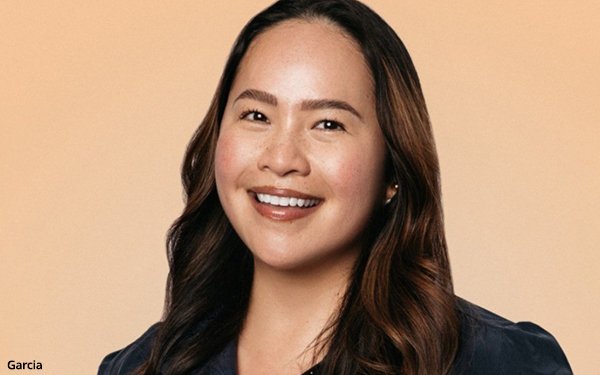
Orchestra’s EVP, Head of Paid
Media, writes, “Everyone is talking about AI, automation, and the future of media. Almost nobody is talking about the fact that many paid media teams are still organized like it's
2015.”
Everyone is talking about AI, automation, and the future of media. Almost nobody is talking about the fact that many paid media teams are still organized
like it's 2015.
For most of my career, teams were divided by platform: one person owned paid social, another search, someone else programmatic, video, direct buys, and
so on. It made perfect sense at the time because each platform required deep expertise and its own playbook.
Consumers, however, never experienced brands that way. They
don't think, "Now I'm engaging with a paid social campaign." They experience a brand across searches, social feeds, streaming, creators, podcasts, physical activations, and real life conversations all
at once. They don't see channels. They see brands.
advertisement
advertisement
As AI accelerates campaign execution and platforms automate more of the tactical work, knowing every button inside
Meta or Google matters less than it used to. The competitive advantage has moved beyond channel expertise to systems thinking and organizational design. We're now asking people to solve systems
problems while many paid media teams are still structured to solve channel problems.
That's also changing who succeeds on modern paid media teams.
Today, I hire for curiosity as much as platform expertise. I want people who ask better questions, connect ideas across paid, earned, owned, creative, analytics, and insights, and
aren't afraid to challenge assumptions. Platform expertise can be taught. Curiosity can't.
And that's exactly why the media planning process has to change,
too.
For the past two decades, every media planner I've managed has heard me say: "The media plan you start with is not the media plan you end with." The original plan
may have been a good one, but even the best plans are designed to evolve and were never meant to be static.
When teams are organized around systems instead of channels,
media plans stop becoming static documents and start becoming living frameworks. They adapt as audiences respond, creative evolves, new signals emerge, and performance data informs the next decision.
Media planning stops being a deliverable and becomes a continuous process.
Technology will continue to evolve. Platforms will continue to consolidate. AI will continue
to automate. And consumers will continue not caring about your org chart.
The future of paid media won't belong to the agency with the most platform experts. It will
belong to the teams that connect people, platforms, and ideas better than anyone else.
If you’re interested in submitting content for future editions, please
reach out to our Managing Editor, Barbie Romero at Barbie@MediaPost.com.