Programmatic advertising is where brands can find
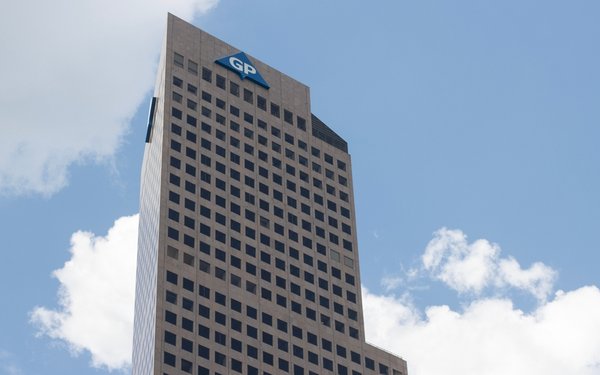
performance, quality and cost cutting, Paras Shah, senior director of digital media for Georgia-Pacific, the parent company for CPG brands like Quilted Northern and Brawny, told Performance Marketing Insider. It all came together last years as he began testing new artificial intelligence technology.
advertisement
advertisement
The answers came from supply path
optimization (SPO), because it gave media buyers at each Georgia-Pacific brand the autonomy to improve performance and cut waste. One of the more important functions gained was the ability to see ad
impressions as they process, even before each reached the demand side platform (DSP).
"We have so many different brands that it took us about six months to one year to achieve our
goals, because every brand we would take a different approach," Shah said. "The audiences and strategies we target are different. We tweaked some of the strategies along the way."
Normally, a
brand uses a DSP to buy ads. The DSP bids on ad space, wins it, processes it, and then tells the brand how it performed. By then, it's too late to change
anything. Georgia-Pacific gained the ability to see ad impressions as they process before they even hit the DSP.
This is like looking at a restaurant's kitchen inventory before ordering, rather
than just seeing what arrives on the dinner plate. It allowed media buyers to spot bad data, fraudulent traffic, or overpriced inventory in real time and block it before spending any money.
Shah found that SPO reduced wasted ad spend from low-quality inventory and invalid traffic; increased transparency and control
across the programmatic supply chain; and improved cost efficiency without sacrificing scale, media quality, or campaign performance.
It improved brand safety and provided a higher quality of
inventory across all campaigns, and it replaced static, rules-based optimization with continuous, data-driven decisioning.
With more than 150 facilities and approximately 30,000 employees, media buyers at Georgia-Pacific needed to find the answer to a more important question--what inventory should become available in the buying process to achieve its goals.
"We weren't trying to drive CPMs down at all costs, because a cheaper impression isn't always better," he said. "We are willing to pay closer to premium impressions when it improves inventory
quality."
The AI technology from SWYM.ai, an AI-powered media and decisioning platform, helped Georgia-Pacific's brands optimize programmatic advertising using Yahoo Blueprint for the demand
side, but SPO supported measurement of the entire media supply chain. It led the company to not only measure value, but create.
SWYM.ai's technology has been integrated into
brands such as Google, Netflix, Coca-Cola, and Toyota, and supported by agencies such as Publicis Media, and WPP Media.
SPO is the programmatic advertising process of evaluating
and consolidating the routes an ad takes to achieve lower costs, greater transparency, and improved signal identification. It removes unnecessary intermediaries between DSPs and Supply Side Platform
(SSP), so media buyers can bypass wasteful resold auctions to secure cleaner metadata, maximize return on investments (ROI), and reduce waste caused by redundant server processing.
Georgia-Pacific wasn't looking for incremental gains even though they got them. It aimed to transform how programmatic buying decisions were made by replacing reactive, post-bid optimization
with a smart and automated system that gave the company and its brands an accountable approach using AI.
It partnered with SWYM to clean up its digital advertising supply chain
and eliminate low-quality programmatic ad placements.
By embedding SWYM’s SPO technology directly into its transactional layer, Georgia-Pacific filtered out poor-performing and
"fragile" inventory before bidding even began.
This pre-bid filtering now allows the company's in-house ad traders to establish strict brand guardrails, ensuring their media budgets are funneled
into higher-quality, high-performing impressions.
Shah noted that the collaboration effectively shifts the brand's
strategy from reactive filtering to proactive, premium ad investments.
Georgia-Pacific, working with SWYM,
managed to achieve consistent and measurable improvements across cost, quality, and operational efficiency. For Shah, it proved the impact of SPO.
The brands managed to achieve up to 44%
reduction in CPMs as campaigns matured, between 23% and 38% CPM reductions across additional brands and formats over time, and about 17% to 20% lower CPMs vs. non-SWYM campaigns in comparable periods
from years prior.
The brands also experienced quality and performance gains, such as 11% improvement in viewability, 7% improvement in video completion rates (VCRs), and 38% higher viewability
vs. non-SWYM campaigns.
Interestingly, the brands managed to achieve results working with fewer SSPs, which simplified supply chains, as well as increased more than 55% increase high-quality
inventory availability. It also gained 5% in bid efficiency rates through real-time pricing data.
Brands also achieved an 8% reduction in invalid traffic (IVT), eliminating wasted spend on
bots, 8% total media savings from fraud prevention, compliance, and supply curation, and a six-figure annual savings from reduced fees and waste elimination.