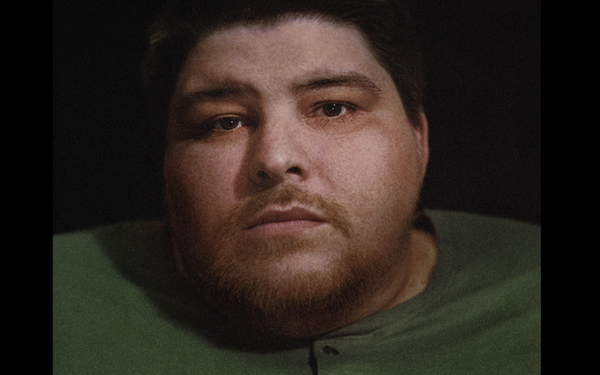
“I've
been dieting since I was 12,” says a heavyset man filing the frame in “My Focus,” Eli Lilly’s latest corporate ad designed to combat the stigmatism around obesity. “You
think I need to hear about your workout routine? You don't stop to ask about mine. No matter what I do, you're going to have your own thoughts….And while you're in the comment section, I'll be
focusing on what really matters, like how I feel when I'm waking up in the morning... My health is my focus, and my body is nobody's but mine.”
Since the protagonist specifically
mentions the “comment section,” we checked out the comments under YouTube’s :60 version of the commercial, which posted one
week ago, and found a lot of people with their “own thoughts.” The The top-ranked comment said simply, “absolute insanity,” with others deriding “a pharmaceutical
company acting like they care about healthy lifestyle” and stating “they need a new ad agency, because this commercial makes absolutely no sense.”
advertisement
advertisement
We doubt that Lilly will be
getting rid of Wieden+Kennedy anytime soon though, since, as Lilly Consumer CMO Lina Polimeni tells Pharma & Health Insider, this latest spot shares a “common thread” with
the pharma firm’s headline-grabbing “Shame” and “Big
Night” spots, which ran on Oscar night two years ago.
All three ads, she explains, “tackle the shame and stigma around obesity…and the importance of bringing this into
mainstream conversations.”
“My Focus” continues to “bring the patient forward,” Polimeni says, with the new ad “as patient-centric as it gets.”
“One of the things we hear a lot from patients with obesity is that they don't see themselves in media representation, especially males,” she relates. “We also know this from our
Annenberg study of film and media.”
The reactions Lilly has
been getting to the campaign have been “great,” Polimeni says, especially from “people suffering with obesity [ who are] actually taking the time to write online, on social media, or
directly to us how much this resonates…. A lot of people see themselves in the progression this character goes through in the spot. They have suffered with the same stigma and the same kind of
judgment.”
Meanwhile, controversy around this ad heated up even before the YouTube posting, as the campaign launched Dec. 29 on linear TV, with subsequent marquee placements during
CBS’s "New Year's Eve Live: Nashville's Big Bash” and college football playoff games that weekend. One Outkick headline asked “What The Hell Was That
Pro-Obesity Commercial?,” and Yahoo Sports declared Lilly was “Facing Backlash For 'Ridiculous' Rose Bowl Commercial.”
Where “My Focus” evolves from the previous
ads, per Polimeni, is its leaning into “start-of-the-year” discussions concerning obesity that she says are usually obsessed with looks rather than health.
So on New Year’s
Day, Lilly ran print ads in The New York Times and Los Angeles Times with a headline stating, “If you make a New Year’s resolution about your body…make it for
health.”
The campaign, running at least through this quarter, also includes paid digital and social.
As in the past, Lilly and its media agency Publicis will continue to focus on
placements during what Polimeni calls live “key cultural moments…where we know people are coming together and can discuss the topic. We’re bringing health discussion outside the
normal channels and into the main discourse.”
The target audience, she explains, is the general population, not just people with obesity. “We really want to change the perspective
of obesity within society. We’re invested in that to make sure this campaign helps us reduce the stigma.”
Upcoming placements of “My Focus” will include Monday
night’s college football championship game and the Jan. 25 AFC championship game, although Polimeni wouldn’t comment on any possible plans for either the Super Bowl or the Oscars.
What can be expected, though, is continued conversation, which Polimeni cites as a key campaign goal, along with the building of brand trust and awareness.
“Everyone will not always
agree with the point of view of a brand,” she says, “but having the health conversation in the middle is important, [as is] making sure that people understand that obesity is a very
complex issue that is not due to the fault or moral failure of anyone. It’s one of the most misunderstood health issues of our time.”