Despite a year of high-profile DEI rollbacks,
environmental, social, and governance (ESG) retreats, and what often feels like a cultural funeral for conscious capitalism, American and Canadian consumers haven't gotten the memo. New research
from Public Inc., a Canadian ad agency, finds that 40% of North American purchases are now influenced by social and environmental considerations, up from 38% last year.
That growth happened
against a backdrop of inflation, price sensitivity, and sustained political pushback, and the prevailing storyline that consumers are fed up with “woke” corporate messaging.
The
research shows that isn’t true. And the biggest surprise in the new findings, is that conscious consumerism is almost as popular with Republicans as it is with Democrats, says
Phil Haid, founder and CEO, Public Inc.
advertisement
advertisement
"The backlash narrative has been loud and constant," he tells Marketing Daily. "But consumer behavior continues to tell a different story."
And of those who are not at all likely to make a purchase based on their own values -- a group the researchers call “apathetic actors, which makie up about 30% of the sample, are evenly split
between liberals and conservatives, says Caleigh Farrell, the agency’s vice president of research and report author. And despite the stereotypes of typical sustainability targets, usually
well-heeled fans of Whole Foods Market, it also found that even the lower-income segments of its respondents wanted to engage more on ESG messaging.
"This isn't just a paradigm shift in
marketing," she adds, "it's a paradigm shift in market opportunity."
So if consumers are still interested in shopping their values, why isn't the messaging working? The report argues the
problem isn't demand — it's communication. Nearly half of consumers, and 87% of highly conscious shoppers, abandon products because sustainability claims are unclear or unconvincing. The fix,
researchers found, is reframing: Ads work better when they lead with immediate, personal benefit rather than abstract future impact. They call it "me now, not we later."
The before-and-after
results are telling. The research tested a claim, rewriting from "made with less water" to "made with recycled water to keep our rivers and lakes cleaner." That shift sparked a six-point jump in
purchase motivation. In another test, changing an ad claim from "fair working conditions" to "made by people receiving living wages in safe working conditions" drove meaningful gains across
categories. "These are very simple changes," Farrell said, "that increase people's understanding and engagement with sustainability."
Meanwhile, many brands have swung the other way entirely,
going quiet on sustainability commitments rather than risk backlash. Haid and Farrell say this "greenhushing" trend is likely just as damaging to companies as greenwashing. While it makes a certain
amount of sense that brands would rein in sustainability messaging in the current climate, 62% of consumers say they want to hear about a company's social and environmental actions. But three in four
report low or no trust in such communications
"When you have real action to back up your claims, consumers want to hear it," Farrell said. "Quieting down too much actually poses
increased risk."
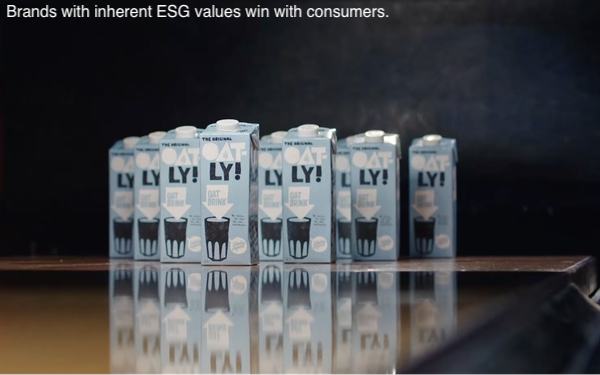
The best messaging, the research found, is when the environmental, health or social benefit is baked right into the product. “Brands like Poppi and Oatley are good
examples,” she says.
The bottom line for marketers: the audience is larger, more politically mixed, and more receptive than the current cultural mood suggests. They just need to be
spoken to differently.
The survey was based on 1,000 online respondents and conducted with Ipsos and Engage for Good.