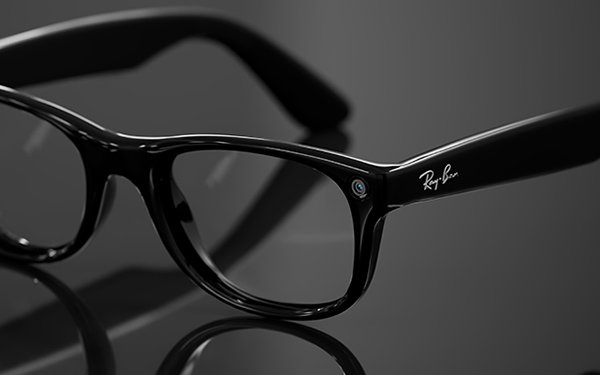
Meta and smart glasses manufacturing partner EssilorLuxottica
are readying two new generations of Ray-Ban AI glasses named “Scriber” and “Blazer,” despite an ongoing class-action lawsuit over the alleged collection of sensitive
video content from smart glasses users by third-party contractors.
A series of FCC
filings dated March 10, 2026 suggest that Meta is preparing two models of Ray-Ban AI glasses for public release.
Aside from two sizing options -- regular and large -- no definitive
information about “RayBan Meta Scriber” and “RayBan Meta Blazer” is visible in the filings, including special features or overall appearance.
advertisement
advertisement
As noted in an early report from TheVerge, the Blazer and Scriber glasses are attached to model numbers -- RW7001 and RW7002 -- which are
higher than available models (which range between RW4002 and RW4014), potentially denoting a major hardware upgrade.
The FCC filings also include mentions of a Wi-Fi 6 UNII-4 band, a 5.9 GHz
frequency range designed to provide extra capacity for Wi-Fi 6 routers, allowing for faster, more efficient performance with reduced congestion for indoor access points and devices. This updated tech
functionality could improve Ray-Ban AI glasses’ livestreaming and Meta AI capability.
Although Meta continues to cut funding and jobs from Reality Labs, the division is now primarily focused on
developing its smart glasses products.
“For Reality Labs, we’re directing most of our investment towards glasses and wearables going forward,” Meta CEO Mark
Zuckerberg told investors in January, citing that sales of its glasses more than tripled in 2025, with more than seven million pairs sold.
However, as Meta continues to build out its glasses
offerings with new technology, functionality, and additional EssilorLuxottica
brands, privacy concerns are mounting.
Earlier this month, an investigation by Swedish newspapers reported that Kenyan workers employed by a
Meta subcontractor saw “someone going to the toilet, or getting undressed” on users' smart glasses recordings. Other workers described video material depicting sexual encounters and other
intimate moments that smart glasses users did not seem to know they were recording.>
The investigation has led to a lawsuit filed against Meta and Luxottica of America in California federal
court, alleging that these companies misled consumers by marketing AI smart glasses as “designed for privacy” while failing disclose that videos captured by the glasses are sent to Meta's
servers and then to a subcontractor in Kenya, where humans view and label the footage to train Meta's AI models.
<p">Over the past two days, Meta has been found
guilty in two major trials, for both “knowingly exposing children to
the twin dangers of sexual exploitation and mental health harm,” and harming a young woman's mental healthby designing their services to be addictive.