Spending on
private-label products has reached $330 billion in U.S. sales, now accounting for 24% of all units sold, and a 23% dollar share of the total market, according to a new report from Circana. And the
forces driving that growth — economic pressure, improved quality, and a new generation of shoppers with no particular loyalty to national brands — show no signs of letting
up.
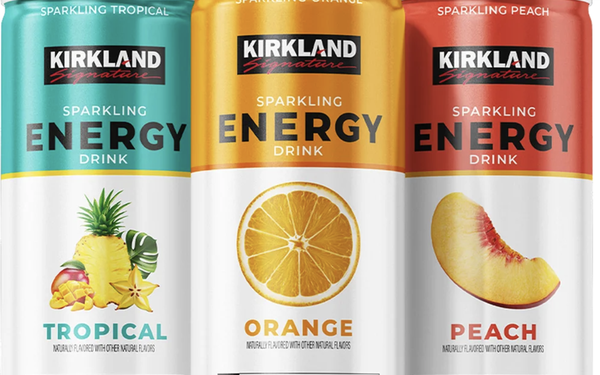
The impact is greatest in food and beverage, powered by club channels. Case in point? Costco's recent launch of a Sparkling Energy Drink, at
$17 for a 24-pack, created enough buzz on social media to rattle investors in Celsius, which sells 24 cans for $38. The threat is concrete: Celsius reportedly gets about 11% of its sales at Costco,
and its private label brand Kirkland's packaging is remarkably similar. Celsius shares dropped as much as 13% following the news.
advertisement
advertisement
In fact, Circana
notes, club channels accounted for almost half of all private-label gains. Sustainability- and wellness-focused product offerings are also driving growth, and the research finds a growing overlap
between private-label fans and wellness enthusiasts.
While that share is increasing, it is still a long way from the European Union, where private
labels maintain a 50% unit share.
Circana expects growth to continue, but at a more moderate pace, as consumers settle private-label buying into
their regular habits. "While we anticipate continued unit share growth, the pace will likely be more measured as private label transitions from an acceleration phase into a normalized growth cycle,"
writes Sally Lyons Wyatt, global executive vice president and chief advisor, in the report. "The key drivers — financial pressures on households, improved quality and trust, strong Gen Z
adoption, and the growing influence of loyalty and exclusivity — remain firmly in place, positioning private label for continued success."
But competition from name brands, which are responding to private-label threats with better pricing and more innovation, is intensifying.
Other research reaches similar generational conclusions. Numerator believes Gen Z private-label adoption will have surpassed that of baby boomers midway through this
year, accounting for 18.4% of Gen Z's total spending on consumer-packaged goods and general merchandise. That represents a 5% jump from 2019 to last year, as younger shoppers increasingly respond to
store-brand trendiness and premiumization. Boomer store-brand spending is forecast at 18.3% for 2026, with millennials at 17.5% and Gen X at 17.2%.
Industry experts say the risk to brands keeps growing, as switching continues to erode the long-standing perception that CPG companies are among the most reliable
investments, holding up well in both good times and bad.
"Intensifying headwinds and emerging challenges have been building for some time to
undermine historical assumptions underpinning the U.S. CPG investment case," writes Steve Powers, a Deutsche Bank analyst who follows the sector. Some of those threats, including macroeconomic
concerns and global instability, may be temporary. "However, others, including demographic inflections and underlying balance of power shifts in the value chain, are more likely to prove more
structural or longer-lasting."
The reality? As retailers expand their private-label playbooks, CPG is no longer "a bastion of consistency, capital
preservation and predictable growth."