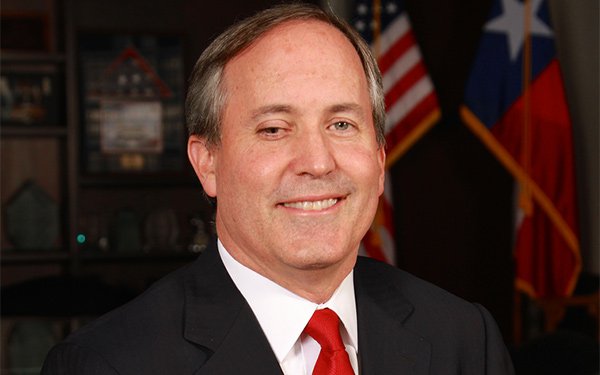
Texas Attorney General Ken Paxton is
urging the state Supreme Court to reject Yelp's request to intervene in a battle over allegedly deceptive warning labels the review site placed on "crisis pregnancy centers."
Yelp contends that Texas courts lack jurisdiction to hear the dispute, arguing the warning labels, which were posted nationwide, were "created and published" outside the state, and
didn't specifically target Texas.
Paxton disagrees, writing in the new filing that he can haul Yelp into court in Texas because the company "directly targeted crisis pregnancy
centers" in the state.
"Yelp has taken full advantage of the Texas market and all the economic benefits that have come along with it but now seeks to choke off the
State’s ability to enforce its laws and protect Texas consumers," Paxton argues in papers filed Wednesday with the Texas Supreme Court.
advertisement
advertisement
The dispute dates to 2023, when
Paxton sued Yelp in Bastrop County District
Court over warnings stating that crisis pregnancy centers "typically provide limited medical services and may not have licensed medical professionals onsite."
Paxton alleged
that those warnings violated a state consumer protection statute that outlaws deceptive practices. Yelp added the labels in 2022 soon after the Supreme Court overturned Roe v Wade, paving the way for
states to outlaw abortion. The company later revised its notifications to
state: “Crisis Pregnancy Centers do not offer abortions or referrals to abortion providers.”
Yelp sought dismissal of the lawsuit on several grounds. Among other
arguments, the company said it couldn't be sued in Texas over warning labels that it placed on crisis pregnancy centers throughout the country.
A Bastrop County judge threw out
Paxton's suit, but he appealed to the 15th District of Texas in Austin, which reinstated the
matter.
That court said in an October ruling that Paxton could proceed with the case because Yelp "does substantial business in Texas," including by sending residents
targeted ads.
The appellate judges said Yelp "derives benefits in the form of revenue from the sales of customizable location specific advertising, and from any reservations or
other purchases made through Yelp," and that it "purposefully directs tailored advertisements to Texas users."
Yelp recently asked the Texas Supreme Court to hear an appeal,
arguing that the 15th District's ruling could "open the floodgates for plaintiffs to sue out-of-state defendants in Texas for online content that does not target this state."
The tech industry group NetChoice backed that request, arguing that the appellate opinion could expose a broad swath of web companies to lawsuits in Texas over content.
Paxton's office counters that the appellate ruling is tied to the underlying facts and "based on well-established precedent."
"There is nothing novel in holding
that if a company publishes deceptive content online about Texas businesses, in violation of Texas law, and that content is viewed by Texas consumers, then it is reasonable for that company to expect
to be susceptible to suit in Texas regarding those very publications," Paxton argues.
The court hasn't yet indicated when it will rule on Yelp's request.