Even as online grocery
shopping continues to grow, supermarkets keep finding new ways to cultivate that treasure-hunting vibe in their real-life stores. The latest? An in-store “Aisle Adventures” program from
Harris Teeter, and an online-only limited-time “Blind Box “ effort from Aldi.
The effort by Harris Teeter, a regional subsidiary of Kroger, aims to display seasonal and trending
items in different ways than in the past. It will bring together a broader range of products and new ways to engage people as they move through the chain’s 230 stores. It hopes to set the effort
apart by promoting the “adventures” with social media content, made through partnerships with digital media creators and influencers, and will highlight multiple efforts each month.
The effort kicks off with the Holderness Family, a North Carolina family known for song parodies and comedy videos.
advertisement
advertisement
Customer participation is also part of the plan, and the company will
encourage people to share and tag their own adventures on social media.
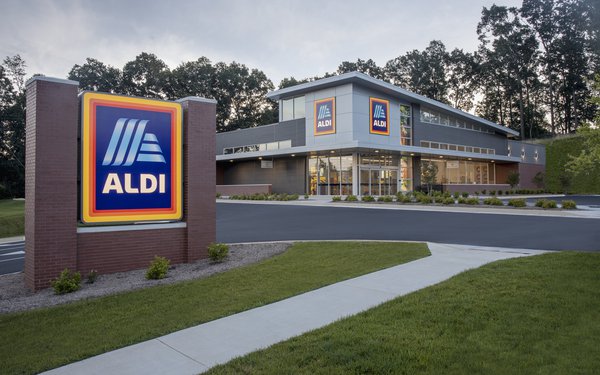
Aldi, whose customers already love its knack for introducing them to new and look-alike products, is moving into the
blind-box trend. For a four-day period, it will offer grocery bundles, available online, that it promises will surprise and delight shoppers. The goal? To make everyday grocery shopping a little less
predictable.
It will release one themed box per day: a Snack Blind Box, Fiber Blind Box, Protein Blind Box and Mystery Blind Box.
“The Aldi Blind Box taps into the excitement our
fans already feel walking our aisles,”said Bridget Kozlowski, an Aldi spokesperson, in the release. “Our shoppers come to Aldi for value, but they also come for discovery.”
People love the thrill of finding something new, she said. “This is our way of helping customers discover even more favorites."
Aldi’s efforts haven’t gone unnoticed by
its customers: A new Morning Consult ranking names it the most-trusted grocery brand in the U.S.
The stakes behind these playful tactics get more intense each quarter. As Amazon and Walmart
continue to grab outsized ecommerce share, brick-and-mortar grocers are under pressure to give shoppers a reason to show up in person — and discovery may be their best card to play.
The
latest report from FMI, formerly the Food Marketing Institute, forecasts that U.S. online grocery sales will reach $452 billion by 2028. And ecommerce contributed close to 75% of total grocery dollar
growth in 2025, while in-store sales remained relatively stable.