
How do you transfer your broad
marketing experience -- from QSR to CPG and beyond -- into the nonprofit medical sector?
That’s a question veteran marketer Aimee Johnson has been grappling with. She was most recently
CMO at real estate’s Zillow Group, following stints at Starbucks, CPG’s Campbell Soup and financial services’ Sallie Mae.
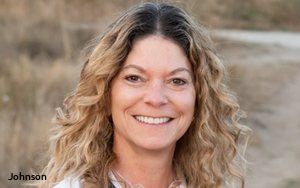
Last month, Johnson was named the first CMO of The
Parker Institute for Cancer Immunotherapy (PICI).
She discusses her journey in the following Q&A.
Interview has been edited for clarity and length.
Pharma &
Health Insider: How would you describe The Parker Institute?
Aimee Johnson: A network of researchers, clinicians and institutions helping to accelerate breakthroughs. We work with
these institutions and partner with others like venture capitalists to get treatments to patients faster.
advertisement
advertisement
P&HI: What does your job entail?
Johnson: Part of my
job is to take this model and translate it for lots of different audiences. One key audience is researchers -- helping them to share with each other and with other researchers that may be
adjacent to what we're doing: biopharma partners, VCs, donors,
P&HI: Not so much consumers?
Johnson: I hate separating out patients as not an audience, since they are
clearly the reason for everything we're doing.
P&HI: What do you bring to this new role from your prior experience?
Johnson: At Starbucks, we looked to see if there was a pain point
or something where we could fill a gap. For example, we could see very clearly that people didn't want to wait in line. Ultimately, we ended up creating mobile order pay experience, a service
customers wanted that fit a need over and over again.
It’s understanding a need and creating something.
Parker is similar but different. The scientists and researchers are
driving breakthroughs in cancer immunotherapy. The role here is to ensure their work is visible and accessible to more people. That’s maybe more linear to what I was doing at Zillow: translating
complex information -- and actually quite emotional information -- to people so they can understand how Zillow can help them.
Moving homes is often super hard and stressful -- almost 40% of
sellers we surveyed said they cried at some point during the selling process, which was so sad. This was everything from not knowing what comes next to, “Oh my God, I gotta move and I'm
scared.”
What I had to do from a Zillow perspective was explain in a simple way the complexity of selling or buying your home -- and at what point Zillow is there to help them through
this.
It’s a very complex emotional process, that could relate back to some of the work I'm looking to do for Parker Institute.
P&HI: How much of what what's going on at
the Parker Institute involves vaccines, and how is PICI dealing with the current anti-vaccine environment?
Johnson: The interaction I've had with scientists and researchers is about
curing people. They’re focused on the science, getting treatments to patients faster. The politics surrounding it haven’t come up since I’ve been here.
(At this point in
the interview, Robert Purcell, who’s been PICI’s chief communications officer since February, having come over from Alphabet’s Verily healthcare data operation, chimes in.)
Robert Purcell: There is a big challenge with the anti-vaccine movement. But a treatment that potentially cures or certainly improves the lives of people with cancer sort of changes
that perspective. I almost wish we'd come up with a different name for the treatment than a cancer “vaccine.”
From what I have heard from researchers working with patients, they
(the patients) are looking for answers for cancer and maybe don’t have the same concerns as somebody talking about a different kind of vaccine.
P&HI: What about the federal
government potentially cutting off funding?
Purcell: It's definitely a concern. But The Parker Institute can bridge some of those gaps. We're coming in is a non-government
organization doing some of that funding. Researchers struggling with some of these issues are more frequently turning to folks like The Parker Institute to find funding that can continue this
important work.
P&HI: Aimee, how does it feel joining a health nonprofit after time spent in other fields?
Johnson: Working with organizations like Parker Institute
that are making a real difference, and need help in getting their stories and communications out there. just feels good.
Parker has such a powerful model on everything from researchers
collaborating with each other, to different institutions being able to share their information, to being able to spin out companies and technology. And it's rich with real-life data and things
happening for storytelling. Being part of an organization that's passionate about telling those stories is going to be fun.