People don’t like talking
about their finances. I’ve been with my husband for 11 years, and I still give him the side-eye when he asks how much is in my savings account.
For many people,
it’s uncomfortable talking about money because they don’t know what they’re doing. They were never taught how to manage their finances, the difference between saving and investing,
Roth IRAs and 401(k)s, good debt and bad debt.
I’m lucky to not be in that camp. My parents are annoyingly good with their money. Like retire-at-48 good with
money. And outside of graduating college debt free, the best gift they’ve ever given me is financial literacy and financial freedom.
Why wasn’t this taught
in school? How could we have graduated high school with zero idea how to read a credit report, file taxes, or know what APR actually means? Isn’t managing your own finances the home economics
course we all needed?
advertisement
advertisement
It’s a gap everyone feels. In fact, a recent study found that 67% of Americans are more afraid of running out of money than they are of
dying. It’s not that people don’t care about finances; people have real anxiety about it, and while there’s more information available, somehow there’s less confidence in what
to actually do with it.
That's not an information problem, that's a trust problem, and it's exactly the space our next guest is playing in. For years, Credit Karma has
been known for one very specific thing: free credit scores. But a credit score doesn't tell you what to do next. How do you turn a number into guidance and guidance into a relationship people actually
trust?
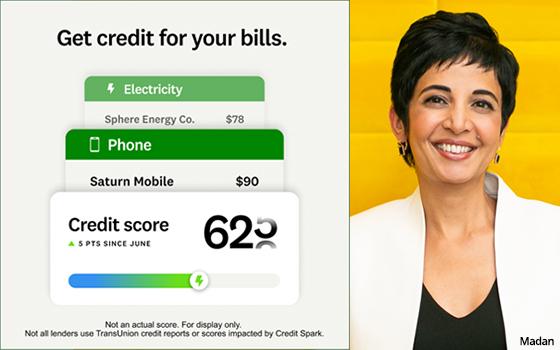
In this week’s Brand Insider 1:1, we sat down with CMO Natasha Madan to find out.
Listen to the full episode here.