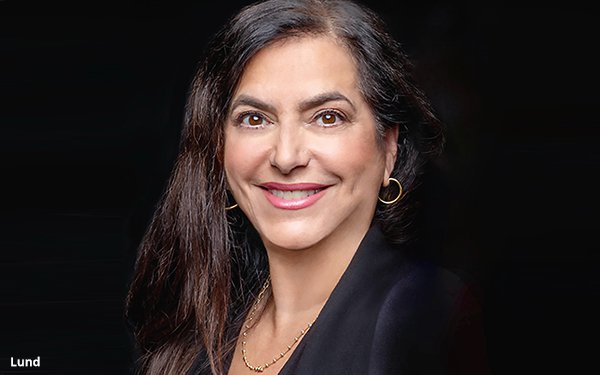
Allison Worldwide’s Global CEO writes,
“As attention accelerates, so do the contradictions. Breakthrough innovation sits alongside misinformation and growing visibility sits alongside inequitable access. For marketers, the question
is no longer whether to engage.”
The health of women has entered a new era. From GLP-1s and menopause, to fertility innovation and FemTech, women have become one of the most
influential forces shaping healthcare, culture and consumer behavior.
And as attention accelerates, so do the contradictions. Breakthrough innovation sits alongside misinformation and growing
visibility sits alongside inequitable access. For marketers, the question is no longer whether to engage. It's how to do it in a way that matters most to communities, their HCPs and through the right
channels.
advertisement
advertisement
The brands that lead will be those that help consumers drive the good, improve the bad and eliminate the ugly.
The Good: Where We’re Making
Progress
GLP-1s have become a defining example of how quickly healthcare can ignite a cultural revolution. Recently released HarrisX-Allison Worldwide research shows more
than one in four Americans have already used a GLP-1 medication. Just as striking? Fifty-eight percent of Americans say seeing creators talk openly about their experience made them view GLP-1s
more positively and roughly half say it helped reduce stigma.
Creators are normalizing the use of GLP-1s by sharing their lived experiences. It’s proof that emotionally
intelligent storytelling can change behavior, not just perceptions.
A less talked about subject until 2023 – menopause – has exploded across health, as government,
businesses, advocates, influencers and women have worked together to take the “mystery out of menopause,” providing those in peri and menopause the confidence to own their health as they
age.
The Bad: The Biggest Gaps
Despite remarkable innovation, drug development and access has not kept pace.
Areas like
endometriosis, PCOS, osteoporosis and a myriad of issues related to fertility and maternal health are still not the high priorities they should be. Simultaneously, misinformation spreads faster than
trusted guidance, making it more difficult to make informed health decisions.
Brands must prioritize communications that educate, simplify complexity and authentically reflect
women’s openly stated needs.
The Ugly: What We Aren’t Talking About Enough
I find it hard to believe that I have had access to more
reproductive freedoms than my daughter does in 2026. It’s critical that all women have equal access. Michelle Stevenson, Executive Director of Marketing and Communications at the Milken
Institute joined me for a World Woman Foundation health panel I led during Cannes and she shared, "All the data is there, we just have to care enough to do something about it." She points to breast
cancer, where closing the screening-access gap between well-served and under-served areas would catch nearly 10,000 more cases every year, as an example of where action is needed.
Progress must be meaningful, so let’s ensure it is inclusive and accessible.
Seeing Around Corners for The Next Era
We’re in
a defining era where brands can reach, hear and act for women in ways we never imagined. I’m honored to be a part of the healthier future we’re building. As we approach 2030, healthcare
decisions will increasingly be impacted by a variety of communities, trusted experts and creators working together as one, not in isolation.
If you’re interested in
submitting content for future editions, please reach out to our Managing Editor, Barbie Romero at Barbie@MediaPost.com.