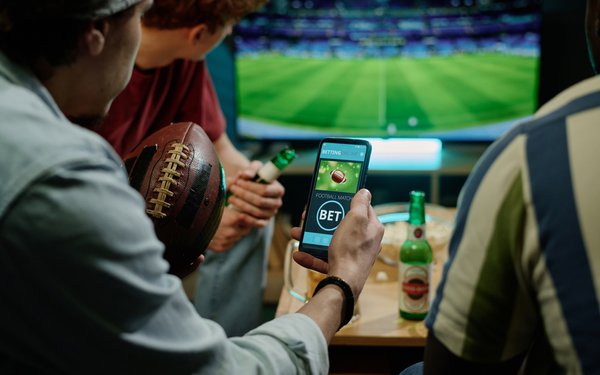
The NFL is suddenly putting the brakes on any sponsorships and
alliances with prediction-market companies like Kalshi and Polymarket, according to a Bloomberg report.
In other words, they are not getting the seal of approval -- that is, using the NFL logo
in their marketing and advertising during live NFL game coverage.
This happens even as other straightforward sports-wagering platforms DraftKings and FanDuel have the right to do this.
It also happens as other sports leagues -- Major League Baseball, the NBA, and the NHL-- keep making marketing/sponsorship deals with those prediction platforms.
Why is the NFL seemingly
taking a pause? Perhap safety considerations and worries about growing statewide laws and regulations could be growing.
Some recently disclosed incidents could be on the mind of many
executives.
advertisement
advertisement
For example, Cleveland Guardians pitcher Emmanuel Clase, allegedly rigged individual pitches across three seasons. He faces trial later this year. The Charlotte Hornets' Terry
Rozier allegedly faked an injury in 2023 to leave a game early in order to benefit wagering.
In both these instances, it comes via "prop betting," which works under the radar. It isn’t about wagering on
the final outcome of games.
These are micro-bets, such as the number of receptions a NFL receiver makes or quarterback completions during the game.
A prop bet could be a baseball
pitcher’s number of walks, strikeouts or the number of individual pitches made in a game.
This can all go undetected, to an extent, as it typically does not affect the results of an
overall game.
The good news is that new monitoring companies -- such as Integrity Compliance 360 -- can detect unusual and odd betting patterns for those not- so-obvious bets.
From a
broader perspective, spreading sports wagering and betting could be shifting viewers to watch sport in a strictly financial way -- not for the pure-viewing intensity where the drama rises and drops
from the performance level of athletes on the field.
Could this affect advertising revenue from brands supporting sports?
We are far removed from what this could mean down the line for
brands when it comes to premium unit pricing for sports.
But the day may come when brand marketers may reach their limit for other reasons due to ever-increasing sports pricing.
Is it
even possible to worry about some individual sports being “staged” ten or 20 years from now?
Hey, we have that now. Ever heard of WWE wrestling?