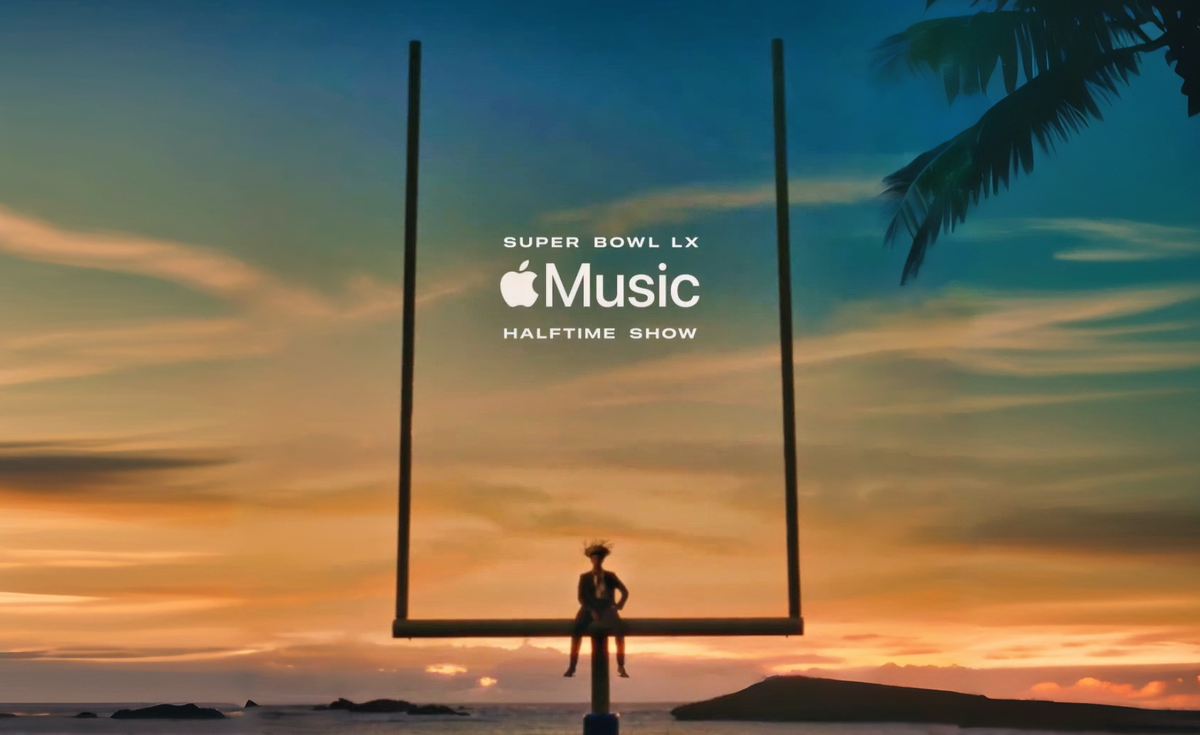
The Bad Bunny Effect: Strategic or Divisive?
The NFL’s decision to spotlight Bad Bunny as the 2026 Super Bowl Halftime headliner has ignited a national debate, not just about music preferences, but about
identity, belonging, and who gets to represent “American culture” on one of the country’s biggest stages.
For marketers, this moment offers a clear view into how
culture, audience behavior, and brand strategy are evolving in real time.
A National Inflection Point: Who Represents America Today?
While some critics see the choice as performative, the move reflects a broader reality: the Super Bowl halftime show has become a powerful cultural mirror.
Last year’s game drew more than 120 million U.S. viewers, with over 6 million tuning in specifically for the halftime performance. The show is no longer just entertainment; it’s a
barometer of shifting demographics and one of the most valuable platforms for brands seeking cultural relevance.
advertisement
advertisement
Booking Bad Bunny months ahead of the event
immediately sparked conversation, nationally and globally -- proof of his cultural pull.
In a moment when “American identity” is often debated or narrowly defined, his
presence underscores an evolving truth: culture is dynamic, polycultural, multilingual, and increasingly borderless.
There Is No One Way to Be
American
Puerto Rico’s political status remains misunderstood. Fourteen percent of Americans don’t realize it is a U.S. territory, but Bad
Bunny’s dual identity resonates deeply with a generation navigating their own layered identities.
His influence challenges monolithic ideas of what “American” sounds
like and helps expand the cultural canon for audiences who rarely see themselves reflected in traditional media.
His authenticity resonates far beyond
Spanish-speaking audiences. Following the announcement, cross-cultural reactions flooded social platforms:
“Music is literally a universal
language.” (YouTube)
“I don’t speak Spanish, but I’m definitely going to watch it… I don’t care what language they sing
in; I love the showmanship of it!” (Blue Sky)
This response shows how younger audiences engage with culture today, through values and emotional
connection, not linguistic sameness.
America Is Polycultural
More than half the country identifies as
culturally fluid, maintaining a connection to heritage while freely exploring other cultures. This behavior is visible across music, food, fashion, and the way people interact online.
Bad Bunny embodies this polycultural reality. His fan base is young, diverse, and globally connected.
The social conversation surrounding the Super Bowl
announcement revealed measurable crossover resonance from Black, Asian, and non-Spanish-speaking communities, reinforcing that the moment is bigger than genre or geography.
Language Is Not a Barrier
The U.S. is home to more than 42 million Spanish speakers, making it the second-largest Spanish-speaking country
in the world. But Bad Bunny’s global reach proves language does not define cultural relevance.
His world tour generated more than $700 million in
revenue, with sold-out shows not only across Latin America but in Sweden, Poland, and the Netherlands -- countries where most attendees don’t speak Spanish.
He became the first
Latin artist to sell out stadiums in several non-Spanish-speaking nations, showing what marketers increasingly recognize: cultural connection is about emotion, not translation.
For brands, this presents an opportunity to use language as a bridge rather than a barrier -- a pathway to deeper relevance and broader reach.
Why the NFL’s Move Is Strategic
At its core, selecting Bad Bunny is a business strategy rooted in audience
expansion, global scalability, and cultural fluency.
1. Audience Expansion
Hispanics represent 19% of the
U.S. population and are the NFL’s fastest-growing fan segment, already making up 16% of its total fan base.
Their influence on the U.S. sports economy is substantial,
contributing roughly a third of its total growth -- an estimated $300 billion.
Bad Bunny’s presence accelerates momentum with this young, loyal and highly
engaged demographic while broadening appeal across non-Hispanic fans who have helped propel his music to global dominance.
2. Global
Influence
Bad Bunny is one of the most-streamed artists on earth, with more than 82 million monthly Spotify listeners. His involvement positions the
Super Bowl as a global cultural moment rather than a purely domestic broadcast.
As the NFL expands into markets like Mexico, Brazil, Germany, England, and Spain, aligning with an artist
who transcends borders is undeniably strategic.
Brands are already capitalizing on the moment. Duolingo, for example, quickly promoted Spanish-learning content
encouraging fans to pick up the language before the show.
3. Cultural Relevance
Bad Bunny’s appeal
stems from authenticity, a trait that audiences increasingly prioritize. His pride, identity, and unapologetic self-expression resonate across communities, even among those who don’t share his
background.
For brands, this reinforces that representation isn’t about box-checking; it’s about emotional equity. People respond to the confidence of someone who refuses
to compromise who they are.
Strategy Powered by Culture
This isn’t just entertainment; it’s cultural
strategy. Bad Bunny brings youth, multiculturalism, and global appeal to a franchise seeking its next era of relevance.
His presence deepens engagement, expands reach, and signals the
increasing importance of culture, not just demographics, in driving modern fandom.
The NFL’s Latino audience isn’t simply a segment -- it’s a
powerful force shaping the league’s future. Initiatives like “Por La Cultura” reflect a shift toward embedding cultural authenticity into the core fan experience.
Love Bad Bunny or not, brands cannot ignore what his selection represents: a cultural evolution reshaping the American mainstream.
In 2020, he appeared
briefly with Shakira and Jennifer Lopez, a preview of change to come. They walked so he could run in 2026, with the Puerto Rican flag high and a moment of cultural pride taking center stage at
America’s biggest show.