U.S. online grocery sales surged 29% year-over-year in November to $12.3 billion, the strongest monthly acceleration since 2022, according to the latest Brick Meets
Click/Mercatus Grocery Shopper Survey. The spike pushed e-grocery’s share of total grocery spending to 17% as consumers ordered more often and relied on a wider mix of delivery, pickup and
ship-to-home services.
Order frequency hit a record, with monthly active users placing an average of 2.8 orders — up 12% — and nearly half of
shoppers completing three or more orders during the month. The core 30–44 demographic drove the biggest jump, increasing order frequency more than 20%. Shoppers also used multiple fulfillment
methods at unprecedented rates, helping each channel — delivery, pickup, and ship-to-home — log double-digit gains in monthly active users.
advertisement
advertisement
That
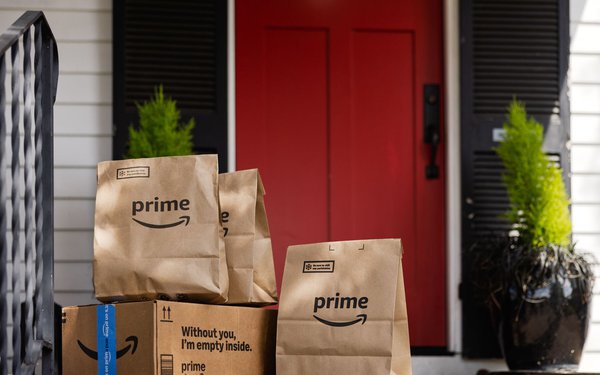
rising comfort with fast-turn grocery services helps explain why Amazon is spending December touting the scale of its fresh-food delivery network. The company now offers same-day perishable delivery
in more than 2,300 cities and towns, and says fresh foods make up nine of the top 10 items ordered in those areas.
Amazon, which has long battled to find an edge in fresh groceries, reports
perishable sales have increased 30-fold since January, aided by a 30% expansion in fresh assortment and growing use of Whole-Foods–sourced items. The most popular perishables? Bananas, avocados
and berries.
Prime members get free same-day delivery on $25 orders in most markets, and in parts of Seattle and Philadelphia, the company is delivering groceries in as little as 30
minutes.
Traditional grocers are adjusting just as quickly to meet demand. Kroger, which reported 17% ecommerce growth in its latest quarter, told analysts it
is shifting away from its standalone automated fulfillment centers and focusing more on store-based fulfillment and third-party delivery platforms, including Instacart, DoorDash and Uber Eats. In the
first month of its DoorDash partnership, Kroger fulfilled 1 million delivery orders. The company says the hybrid model will improve speed, lower costs and help its ecommerce business reach
profitability in 2026.
Together, the November numbers and retailers’ year-end moves point to a customer base
changing faster than the industry expected, making frequency, flexibility and delivery partnerships central to the next phase of grocery competition.