Is there is a coming frugal wave of big TV production
content -- amid consolidation? Can those snappy microdramas help?
Many veteran producers now believe short-duration TV series and episodes could be just the thing for legacy TV-based media
companies that are increasingly concerned about risky, big-budget TV shows that can fail due to massive streaming and other platform competition.
Some high-profile TV producers are hearing
that call -- under a new joint production company from Google and Range Media Partners called 100 ZEROs.
Range Media is a management and production company started up a few years ago by former
senior executives at big Hollywood agencies. Producers include “The Bachelor” creator Mike Fleiss and Simon Fuller of "American Idol."
Microdramas episodes have content that is
very short in duration, running about 60 to 90 seconds with a “vertical” look similar to a TikTok feed -- designed for viewing on a mobile phone.
advertisement
advertisement
An entire season of episodes can
consist of 60 to 100 episodes. A user can get through an entire season in just under the time span of a two-hour movie.
Microdramas are predominantly made for mobile phones -- which explains
the video's vertical perspective. Now, big-time streamers are looking into this.
For example, Netflix has been looking to redesign its service -- especially with regard to its mobile efforts
-- to accommodate the new short content.
What was Netflix's initial purpose for the move? While entertainment is important, promotion as well as marketing and existing subscriber
“attention” may be equally valuable.
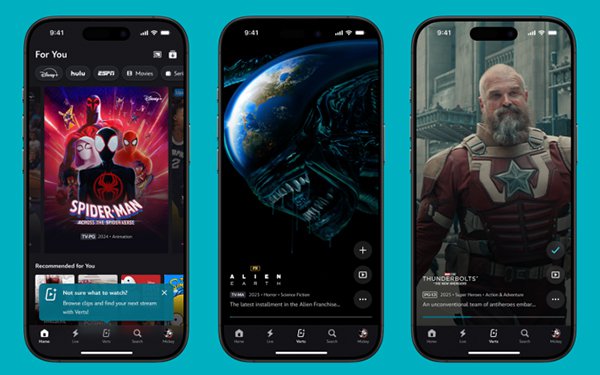
Netflix isn’t alone. Disney+ has just launched its “Verts” this weekend -- also
with the goal to promote its vast library of TV and film content. It originally announced this effort back in January at the CES convention in Las Vegas
For budding young producers, this could
be viewed as being the minor leagues -- a proving ground for "major league" action. And there are existing YouTube and TikTok creators looking to make a bigger splash with major premium streamers down
the road.
Near term, the problem is how to convert mobile phone-based vertical content for the big-screen living-room viewing.
But I hear those TV sets' screens don’t turn as
easily into a vertical position as the screens of mobile phones.