They now call it "unscripted." But in
the beginning it was called "reality."
What is it now? We see real-life contestants on unscripted shows with real-life anger issues -- on and off air.
Where do reality shows go from
here?
What about social-media influencers? If future TV shows want to focus on those people as contestants -- as some expected because of their built-in solid following, will that be safer or
more edgy, with brands and TV/streaming executives needing to closely monitor?
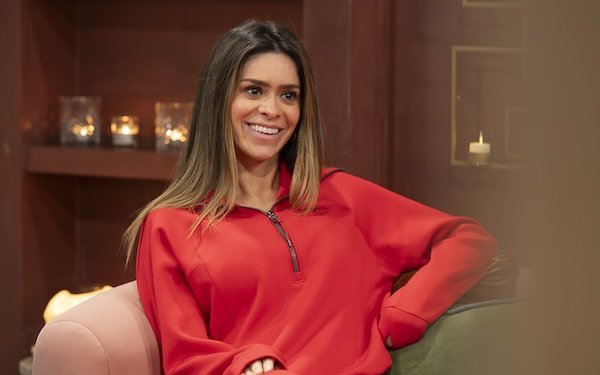
ABC’s “The Bachelorette” tapped Taylor Frankie Paul from another unscripted show, “The
Secret Lives of Mormon Wives,” to gain that extra spin -- more of a “crossover” benefit. That’s because the stalwart “Bachelorette” had been losing steam in terms
of viewership.
advertisement
advertisement
Instead, they got too much. This season’s “Bachelorette” main star Taylor Frankie Paul was discovered to have attacked her ex-boyfriend by throwing chairs his
way. She was charged with domestic violence and aggravated assault and made a plea deal in 2023.
That incident wasn't such a big deal, apparently, until viewers learned of a video that showed
her throwing chairs at her ex-boyfriend and also striking their son. That was a deal-breaker for ABC and it put the kibosh on the entire season -- an unheard of move.
Too much reality in
reality TV? Well, yeah. And maybe that’s the point.
And while even brand safety-focused advertisers love compelling storylines, violent behavior in real life that brings news exposure
and press while the TV series is airing is not a good look.
Reality TV has a savior of sorts
with networks -- especially the cable TV industry, where one unscripted original MTV “Real World” started in the 1990s.
Vetting of contestants can be a full-time job for producers.
Now it seems they have to do more -- much more. Many believe they need to do so-called "black-box" work-- deeper, somewhat hidden controversial social behavior stuff.
Others believe there
could be an easier, more cautious route -- like starting potential unscripted shows on YouTube or TikTok and then moving them to bigger broadcasters/streamers.
Walking a fine line? Getting
close to the rough edges of real life to give everything more drama will draw more viewers.
How do modern, unscripted TV show producers now get to that?
And will advertisers want to
buy in?