Jeremy Hull shares his take on what really drives performance marketing and why strategy, experimentation, and human insight still make the difference.
Do you prefer brand awareness or performance? What is your preferred marketing channel? In this series, we get to know past Insider Summit attendees and ask about their
preferences.
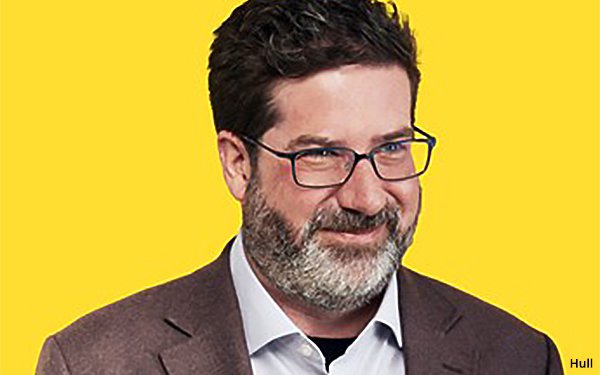
Jeremy Hull, Chief Solutions Officer, Brainlabs:
Product Strategy or Performance
Marketing: Performance Marketing is more fun for me because it requires a combination of relentless process and strategic thinking. All great performance marketing starts
with strategy — identifying the right mix of platforms and tactics aligned to the goal. Then comes the optimization: test, learn, refine, and optimize again. It’s a never-ending
puzzle, and that challenge inspires me every single day.
advertisement
advertisement
Search Innovation or Programmatic
Scaling: Programmatic scaling is the path to growth. I’ve been doing search marketing for over 20 years, and I will always love search marketing, but search is inherently a
demand-constrained medium. Every search is preceded by a moment of curiosity. Programmatic is an opportunity for a brand to inspire that curiosity - and then harness it via search.
Experiment Often or Optimize Relentlessly: Experiment often. At Brainlabs we don’t treat
experimentation as optional - it’s the foundation of how we operate. Leave the optimization to the automation - if you’re still manually adjusting bids in 2026, you’re wasting time
solving yesterday’s problem. What AI can’t do is create a truly original experiment or prioritize which test you should run next. That's your role as the human in the loop, so challenge
yourself to run more meaningful tests to uncover more insights in 2026 than you ever have before.
Strategic
Roadmaps or Tactical Sprints: Strategic roadmaps. Tactical sprints feel good to do! They’re rewarding! They’re fast! But without a vision to rally around,
they’re just busywork. I recently audited a brand’s Google Ads account where their internal team worked very hard to respond to every automated alert and platform recommendation, spending
countless hours maximizing their optimization score…but they had completely missed the fact that Google Ads was tracking the wrong conversion action. Strategy first. Then build tactical
execution around it.
Machine Learning Optimization or Human Insight: Machine learning for
optimization all day every day. Human insight for identifying the next opportunity. AI and machine learning are fantastic, but they operate by looking in the rearview mirror, using past data to
predict the future. Use your human insight to find the new opportunity that machine learning will never spot. The future belongs to teams that combine both.
Latest Trends or Proven Fundamentals: Proven fundamentals. I’ve never encountered a marketing campaign
that wasn’t improved by re-examining and improving the fundamental elements - whether that’s platform best practices, better measurement, audience analysis, etc. Chasing the latest trends
can look flashy on a slide. Focusing on nailing the fundamentals is what shows up in the quarterly earnings report.
Cross-Channel Integration or Channel Specialization: Channel specialization paired with cross-channel curiosity. I firmly believe that even
with the increase in automation, channel specialization is still the difference between good performance and great performance. The magic happens when experts from different channels collaborate
— challenging each other, asking better questions, and uncovering new opportunities together. One of the most rewarding things I get to do is find the brilliant, curious folks, connect them,
then get out of the way and, as the kids say, “let them cook.”
If you’re interested in submitting content for future editions, please reach
out to our Managing Editor, Barbie Romero at Barbie@MediaPost.com.