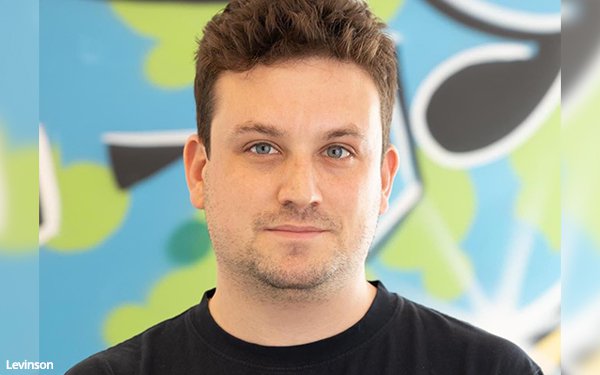
Crossmedia’s Managing
Director, Head of Social
writes, “Creators are far more than a commerce or upper funnel-only tool. In many cases, they are the most effective way to reach, persuade, and convert
audiences on social.”
For years, influencer marketing has been treated as an add-on—a nice-to-have line item that paid and organic social
teams see as a possible extension to brand assets. With 61% of consumers saying they trust creator recommendations over brands, that framing is officially outdated.
Creators are now far more than a commerce or upper funnel-only tool. In many cases, they are the most effective way to reach, persuade, and convert audiences on social. And yet, many
media plans still treat them as a secondary tactic or a “nice to have” instead of the foundation on which a social strategy can succeed.
advertisement
advertisement
Allocating budget
which mainly focuses on paid social distribution with very little left for creators misses the mark with how consumers view social media and fails to create strategy to match algorithmic advancements
across social partners.
Audiences trust individuals more than institutions, and most importantly, creators understand how to make content that works on each social
platform, something most brands still struggle to do consistently (if I had a nickel for every time I saw a TV creative “re-purposed for social” …). Platform algorithms have leaned
into this idea with influencer content being prioritized. Now, marketers need to build strategy that match how algorithms actually work.
The rise of partnership ads has
only accelerated this reality, and what used to be a tradeoff between authenticity and scale no longer exists. Marketers can now take high-performing creator content and amplify it with the precision
of paid media, turning what was once “influencer marketing” into the backbone of a full-funnel social strategy. Influencer content needn’t be relegated to its own silo or small
one-off boosts.
The norm should be influencer/creator content as the backbone and THEN brand content as a nice to have. Many organizations haven’t caught on to
this reality.
Influencer teams are still siloed. Creator budgets are still constrained. Success is often measured in metrics like engagement or impressions, rather than
business outcomes. Meanwhile, paid media teams are left trying to force brand-created assets into environments where they simply don’t perform well.
The brands
seeing real results are starting with authentic voices, and building campaigns around content that feels native, credible, and platform specific. Creators bring trust [JD1.1]and paid promotion creates
scale. In this model, creators aren’t just supporting the media plan, they are the entire framework upon which a social strategy can succeed.
This shift
requires a different way of working. Closer collaboration between social, paid, and influencer teams. Faster creative cycles. A willingness to relinquish some control in exchange for relevance and
performance.
The payoff is clear: better content and more efficient growth.
The question isn’t whether influencer marketing should
be part of your strategy anymore. It’s whether your organization is ready to build strategy around it.
If you’re interested in submitting content for
future editions, please reach out to our Managing Editor, Barbie Romero at Barbie@MediaPost.com.