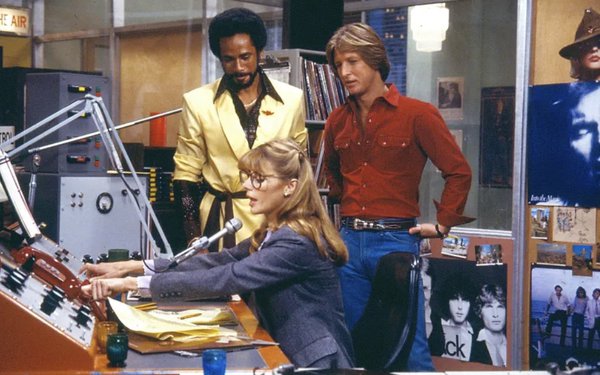
The call letters from the
fictional radio station featured in a CBS sitcom have been adopted by a trio of real “adult hits” stations.
“Three stations in Cincinnati, northern Kentucky and
Dayton, Ohio, simulcast the station’s programming and listeners are now hearing them all identified as WKRP,” according to The Associated Press. “They will continue to follow the format —
music from the ‘60s to the ’80s, with an emphasis on the 1970s — they’ve had under ‘The Oasis’ brand.”
The Oasis owner, Jeff Ziesmann,
told The Cincinnati Enquirer that listeners are “stoked"
about the news. “Our phones have been mobbed this morning, as I'm sure you can imagine,” Ziesmann said.
advertisement
advertisement
The popular sitcom aired from 1978 to 1982. The premise was a
hip, young program director pumping new life into a failing AM radio station that had recently switched formats. Loni Anderson famously starred as the station's secretary.
“The change was permitted after the Oasis owners made a donation to a North Carolina nonprofit whose low-power radio station, WKRP-LP, had been using the call letters since
2014,” according to People.
“The station,
97.7 FM in the Cincinnati area, aired the 'WKRP in Cincinnati' theme song for six hours straight before the changeover became official,” according to The Hollywood Reporter. “The station will play classic
rock and pop — music that viewers might have heard snippets of in episodes of 'WKRP in Cincinnati.' Gary Sandy, who played program director Andy Travis on the series, recorded a series of
promos for the station.”
Sandy sat down with Radio Ink to
talk about why a show about a rock station in Ohio still commands the kind of attention that makes national news almost a half-century later. He says it was “the only successful television
series about radio.”
1970s and 1980s nostalgia is big, even for the generations that didn’t actually live through that time period.
“Nostalgia
is everywhere — from TV reboots and Y2K fashion to brands reviving old ad campaigns, companies are betting that your fondest memories are also their best marketing tool,” according to TorontoMet Today.
Unlike previous generations, Gen Z are searching for a unique form of nostalgia; they are seeking anemoia: nostalgia for a time and place they have never known, according to Forbes.