It's not surprising that in a year dominated by rising grocery prices and
sinking buying power, Americans are choosing private-label groceries to save money. What is unexpected is how pervasive -- and perhaps permanent -- those choices might be.
FMI, the Food Industry Association's new annual private-label report, finds that 92% of U.S. shoppers have private-label products in their home, up from 89% last
year. Private-brand dollar sales increased 2.8% for the year, compared to a gain of 2.6% for national brands, according to data from Circana. On a unit-sale basis, private-brand unit sales increased
0.6% versus a year ago, compared with 0.2% for national brands.
But it's not just about saving money. Nearly all shoppers -- 94% -- say they are likely to
keep buying store brands even if grocery prices begin to decline. Almost half increased their store brand purchases over the past year, while only 31% say they've purchased more national brands. Some
17% say they've cut back on name brands, with only 4% making the same claim about private-label spending.
advertisement
advertisement
Stores like Costco, Walmart and Kroger have fiercely
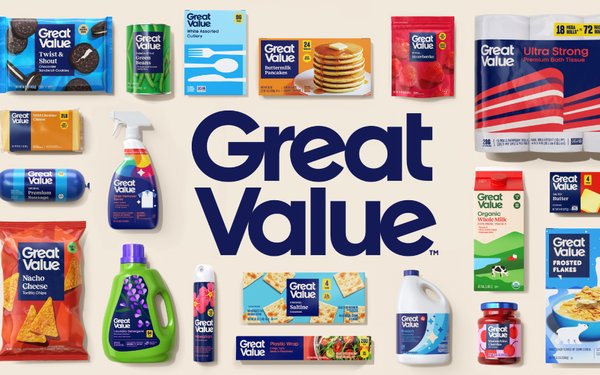
loyal followings, with shoppers feeling real excitement about specific private-brand items. Costco's Kirkland and Walmart's Great Value rank among the most frequently mentioned favorites in the
survey.
"Consumers aren't just choosing store brands out of habit or necessity," notes Tom Cosgrove, director of industry relations for FMI, in the report.
"They're choosing them because they've earned the trust of American families."
Improved quality and perception are cementing the new preferences, with 37% of
shoppers saying they buy these foods based on taste, up from 26% in 2023. Perceptions of quality have risen from 30% to 39% over the same period.
By category,
people are most apt to choose private label for fresh bakery items, milk or non-dairy substitutes, baking/cooking items and paper products. And they're most likely to stick with name brands for
packaged alcoholic beverages, pet food or treats, coffee, tea and health and beauty care products.
So it's clear why retailers continue to expand their
private-label portfolios, offering different tiers of value and variety: For 56% of respondents, their primary store's brand is very or extremely important in their decision about where to shop. For
millennials, that's 61%. Ten years ago, only a third of shoppers cared that much.
FMI's study is based on an online survey of 1,495 U.S. adults, supplemented
by private brand data and insights from Circana.