Kohl's, which has spent the last
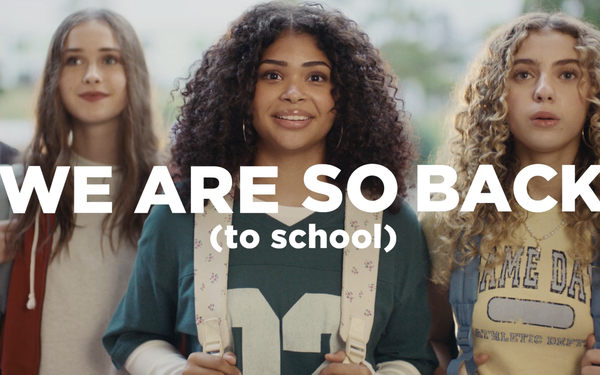
five years on its back foot, is hoping to get back in step with Middle American shoppers, launching one of the first back-to-school marketing campaigns of the season. The question: Whether lower
prices are enough to reverse five years of decline.
The new work is themed "We are so back (to school)" and continues Kohl's ongoing "Kohl's Mom" umbrella,
starring actor Ellie Kemper as the shopaholic Every Mom.
The campaign arrives as forecasters predict a tight, tense few months ahead, with parents eager to
balance annual BTS binges against rising food and fuel costs. According to Deloitte's 2026 back-to-school survey, K-12 parents plan to spend $557 per student — a $13 decrease from last year, or
a 6% drop when adjusted for inflation.
advertisement
advertisement
On paper, that should favor Kohl's, a retailer once beloved for its selection at great prices, and one that still
boasts 30 million members in its loyalty program — among the largest in the industry. But despite improvements to its ecommerce offering and upgraded merchandise, many observers doubt Kohl's can
recapture its former glory.
"It is still a physical store-based business, and both store visitation and sales per square foot have declined steadily over the
past 15 years," writes David Swartz, a Morningstar retail analyst. "We believe Kohl's large fleet of big-box stores is unnecessary in an increasingly fragmented market."
Kohl's is betting the campaign can help reverse those trends — celebrating first-day-of-school confidence in ads set to Charli XCX's "B2b," with a selection
that's quintessentially Kohl's, balancing in-demand brands like Nike, Skechers, Madden Girl and Levi's against its more affordable store labels. This year, it's promising parents that thousands of
items will be priced below $25.
"Today's families are looking for more than just a back-to-school checklist — they want confidence that they're making
the right choices for their kids and their budgets," said Christie Raymond, Kohl's CMO, in the announcement. "By focusing on the brands and styles kids are excited to wear and delivering the quality
and value parents expect, we're making sure families can count on Kohl's for what they need most."
The campaign also includes an in-person activation in New
York next month, offering product customization, interactive content creation and shopping incentives.
The Wisconsin-based retailer’s value pitch
arrives against a backdrop of real anxiety. Deloitte's research, based on 1,200 respondents, finds 57% think the economy will get worse — the highest level the survey has recorded since 2020.
Tellingly, it's more-affluent parents who are most worried: 9% of upper-middle-income and 20% of higher-income parents plan to cut spending this year over financial concerns, and 63% of households
earning $200,000-plus say they're pulling back simply because they have less to spend. On average, parents plan to shop at four retail formats this year, one fewer than last year.
Lower- and middle-income parents, by contrast, expect to spend more — 10% and 12% more, respectively — but frame it as a function of higher prices, not
bigger budgets. And they're doing their homework: 31% of the total sample now qualify as hyper value-seekers, meaning they use four or more cost-saving behaviors when shopping.
"Cautious spending behavior exists across income groups, but value-seekers demonstrate that it's not always about the cost," said Natalie Martini, vice chair and U.S.
retail and consumer products lead at Deloitte, in the report. "Some consumers are willing to spend if they find value in the purchase."