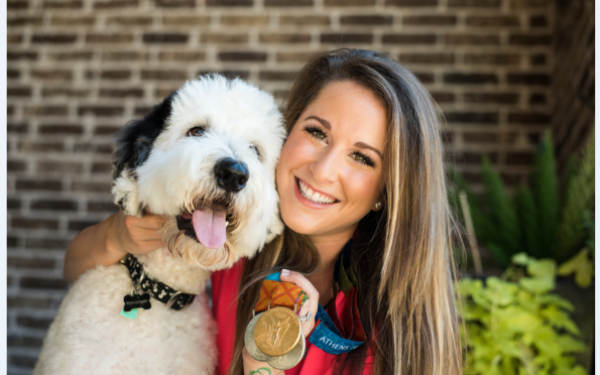
Asked what they'd prefer to have in the future, more
Americans now choose pets over children, according to new data from The Harris Poll.
Some younger owners are cutting their own vacations and even medical appointments to splurge on
their animals, according to The Harris Poll’s “The State of Pets.”
The survey was conducted online within the U.S. by The Harris Poll from April 24 to 26, among a nationally representative sample of 2,070 U.S. adults aged 18 and over. Groups polled were
338 Gen Z (ages 18-29), 721 millennials (ages 30-45), 506 Gen X (ages 46-61), and 505 boomers (ages 62 and older). There were 1,625 pet owners in the total.
Tim Osiecki, director of
thought leadership and trends at The Harris Poll, answered a few questions from Marketing Daily about the pet trends report.
advertisement
advertisement
Marketing Daily: Which findings
surprised even your research team?
Tim Osiecki: What stands out most is the depth of commitment. Nearly three in 10 Gen Z and millennial pet owners say
they’ve gone into debt because of pet expenses, which is a striking signal of how high a priority pets have become.
Marketing Daily: What is the
single biggest misconception marketers have about today’s pet owner?
Osiecki: The biggest misconception is that pet ownership is still just a
purchase behavior. It’s not. For many consumers, especially younger ones, it’s a life-organizing identity. We’re seeing that pets are influencing how people spend, where they live,
and even how they think about family. So the real shift for marketers is to stop seeing pet owners as a niche audience, and start seeing them as modern households making meaningful life decisions
around their pets.
Marketing Daily: The report suggests pets are increasingly treated like children. At what point does this become more than just a marketing
trope and actually change how brands should position themselves?
Osiecki: It becomes more than a marketing trope the moment people start making
structural decisions around their pets, and this report makes clear that’s already happening. When people are moving to more expensive housing that allows pets, designing parts of their home for
them, and making real financial tradeoffs to protect pets' quality of life, brands have to move beyond symbolic messaging. At that point, this isn’t just an emotional insight, it’s a
business insight. Brands need to position themselves around practical inclusion, not just pet-friendly language.
Which non-pet categories have the biggest opportunity
because of these shifts?
Osiecki: The biggest opportunities are in categories that shape everyday life: housing, travel, hospitality, financial
services, automotive, and healthcare. If pets are now part of the household decision-making unit, then every category that touches the home, mobility, money, or wellbeing has a chance to rethink its
value proposition. The most forward-looking brands will recognize that this isn’t about adding a pet perk on the side. It’s about building products, services, and experiences around
pet-inclusive living.
Marketing Daily: Should automotive, travel, hospitality, housing, banking, or healthcare companies be thinking differently about pet
owners?
Osiecki: These industries should be thinking about pet owners as a major consumer segment with specific expectations, pain points, and loyalty
triggers. In automotive, that may mean designing for safer, easier travel with pets. In travel and hospitality, it means making pet accommodation seamless rather than restrictive.
In housing,
it means moving beyond tolerance to true pet-forward design. And in banking and healthcare, it means recognizing that pet owners increasingly want financial tools, insurance solutions, and benefits
that reflect the real role pets play in their lives. The broader lesson is that pet owners don’t just want permission — they want consideration
Marketing Daily: Which trend do you believe marketers are underestimating today?
Osiecki: The most underestimated
trend is that the pet economy is becoming an infrastructure story, not just a spending story. A lot of brands still think about pets in terms of accessories, treats, or cute content. But what this
report really shows is that pets are influencing systems: housing, travel, benefits, finance, and family planning. That’s a much bigger shift. The brands that will stand out are the ones that
don’t just market to pet owners, but actually make pet-inclusive life easier to navigate.