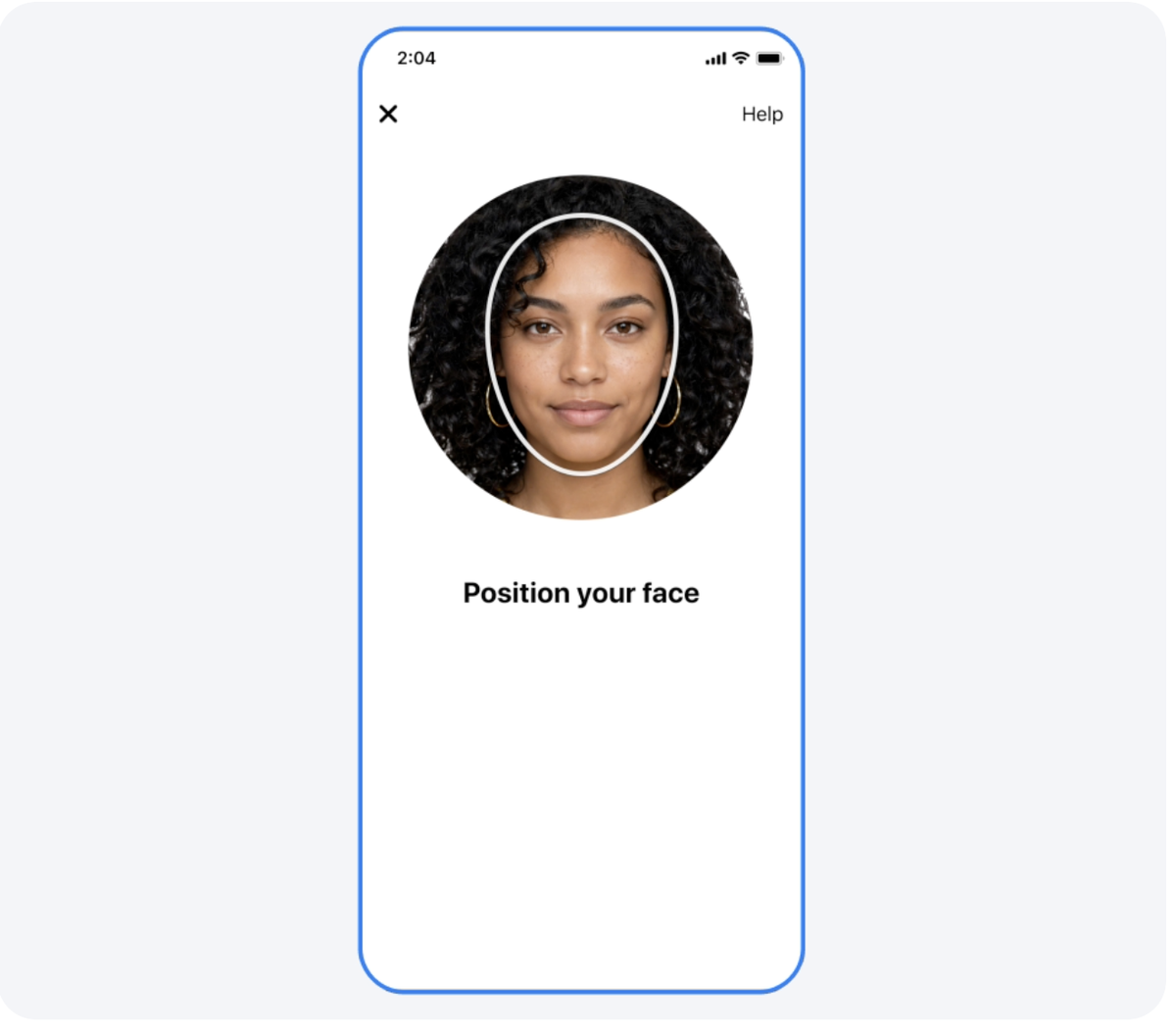
Despite ongoing privacy concerns regarding Meta’s smart glasses rollout, the tech giant has decided to implement a facial-recognition step in the process for users to acquire a free “Facebook Verified” badge and
prove themselves to be real among more AI-generated accounts.
Facebook’s free verification badge is a result
of the increasing power of AI systems, which Meta says are being used to generate content, profiles, and messages.
“We want to provide a way for you to know there is a real person on the other side of a profile,” Meta notes in its announcement.
advertisement
advertisement
Available to users 18 and over in “good standing” with Facebook’s Community Standards, the free badge will appear alongside profiles in various platform locations
including Marketplace, Dating, Groups, and Profile.
Over time, Meta plans to add badges in Feed posts as well.
According to Meta, this free badge will categorize users as real people, aiming to provide an added layer of trust when communicating and following accounts on Facebook.
To receive a Facebook Verified badge, eligible users will need to record a short video selfie that will use
facial-recognition technology, comparing the video to the user’s existing profile photos.
This method of determining whether or not a user is real comes during the
rollout of Meta’s new generation of smart glasses, which have received widespread backlash for its use of facial recognition technology and ability to discreetly film passersby.
In February, the New York Timesreported that Meta was planning to roll out facial recognition in its
glasses, powering a feature internally deemed “Name Tag,” which would allow smart glasses wearers to identify people around them with Meta AI.
An internal memo also noted that the company was strategically attempting to launch “Name Tag” during
a “dynamic political environment” because privacy advocates would be distracted.
At the time,
Nathan Freed Wessler of the American Civil Liberties Union stated that this use of facial recognition technology would pose a “dire threat to the practical anonymity we all rely
on.”
Meta then quietly included this facial technology in glasses that had already shipped to the public.
This month, however, the Financial Timesreported that Meta is currently testing a prototype of “super sensing” AI
glasses that would capture and record the user’s every moment, continuously recording audio while taking photos every few seconds without activating an LED light that alerts passersby the smart
glasses are recording.
Meta executives have hinted at using the data collected on its smart glasses to train
the company’s own AI systems.